
RV Gear · Tech & gadgets · 15 picks
Essential RV Technology Gadgets for RV Camping
Bad pedestals, one bar of signal, a propane tank that runs dry at dawn: the right RV technology gadgets fix the little problems that spoil a trip. These are the 15 we would put in any rig, from smart surge protection and Starlink to tire sensors and a $34 pet-temperature alarm.
Picks
15
In 4 categories
Price range
$32–$700
8 picks under $150
Best overall
Power Watchdog
Smart surge + auto shutoff
Checked
Oct 3, 2026
Prices & models
Prices and models checked October 3, 2026 · By RV-Roundup

Photo: Zendure Power Station on Unsplash
At a glance
Our quick picks
Six essential RV gadgets that solve the most common headaches on the road. Jump to any of them for the full write-up, or keep scrolling for all 15.
Best for boondocking
Jackery Explorer 1000 v2
About 1,070 Wh of quiet LiFePO4 power, no generator needed.
The short answer
The essential RV technology gadgets are a smart surge protector (EMS) like the Hughes Power Watchdog to protect the RV from bad campground power, a tire pressure monitor such as the TireMinder A1AS, and a way to get online that fits where you camp: a GL.iNet travel router for campground Wi-Fi, a weBoost cell booster for weak signal, or a Starlink Mini for places with no signal at all. Boondockers should add a power station and a battery monitor, and small Bluetooth or Wi-Fi sensors make leveling, propane and pet safety a phone glance instead of a guess.
The picks
The 15 best RV technology gadgets
Grouped by the job they do. Prices are typical street prices we checked on October 3, 2026; they change often, so check the current price before you buy.
Picks 1–4
Power & protection
Protect the rig from bad pedestals, then make your own power.
#1
Best overall
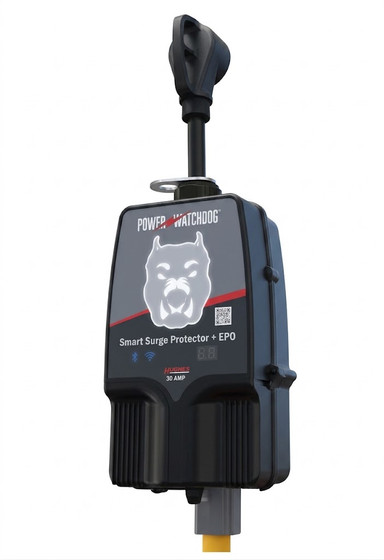
Hughes Autoformers Power Watchdog Gen II 30A with EPO (PWD30EPOW)
About $340 (checked October 3, 2026)
Bluetooth + Wi-Fi app · Auto shutoff (EPO) · Replaceable surge module
A campground pedestal is someone else’s wiring, and one bad pedestal can cook an RV’s converter, fridge board or A/C. The Power Watchdog plugs in between the pedestal and your shore-power cord and checks the power before it reaches your rig. If it sees high or low voltage, reversed polarity or an open ground, its EPO (emergency power off) cuts the power and reconnects when the pedestal is back in range. The Gen II shows volts, amps and kWh on your phone over Bluetooth or Wi-Fi, and if a big surge uses up the protection, you replace the surge module instead of the whole unit. Hughes also makes 50-amp models.
What we like
- Shuts off automatically on bad voltage, open ground and reversed polarity
- Live volts, amps and kWh on your phone
- User-replaceable surge module
Keep in mind
- Costs about twice as much as a basic EMS such as the Progressive EMS-PT30X (about $150)
- Buy the amp rating that matches your plug: 30A or 50A
#2
Best power station
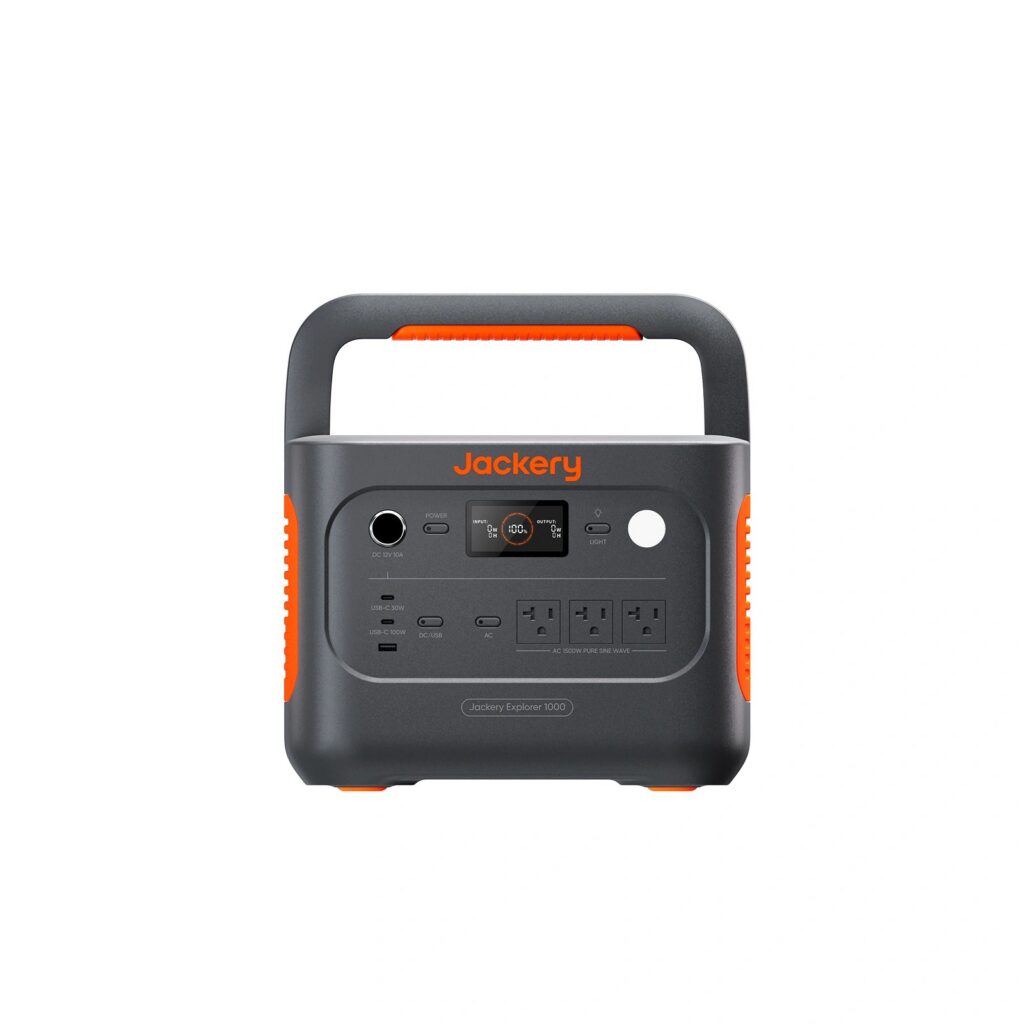
Jackery Explorer 1000 v2 portable power station (1,070 Wh)
About $400–$500 (list $799) (checked October 3, 2026)
1,070 Wh LiFePO4 · 1,500 W AC (3,000 W surge) · 23.8 lb
A power station is the easiest way to add quiet, no-generator power to a rig that was never wired for solar. The Explorer 1000 v2 stores 1,070 watt-hours in long-life LiFePO4 cells, runs standard household plugs at up to 1,500 watts, and recharges from a wall outlet in about an hour in its app-enabled emergency mode (about 1.7 hours normally). Add up to 400 watts of portable solar, such as Jackery’s SolarSaga 100 Air, and it keeps phones, laptops, a CPAP, fans and lights going at a dry camp for days. At about 24 pounds it also moves easily from the RV to the picnic table.
What we like
- LiFePO4 battery rated for 4,000+ cycles
- Fast wall charging and up to 400 W of solar input
- Quiet, so it works where generators are not allowed
Keep in mind
- Not built to run a rooftop air conditioner for long
- Sale prices swing a lot; watch for deals
#3
Best battery monitor
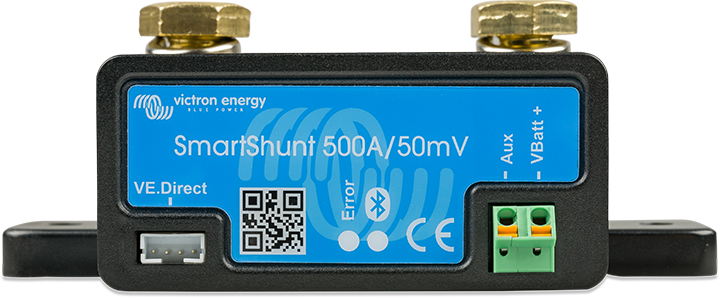
Victron Energy SmartShunt 500A Bluetooth battery monitor
About $100 (checked October 3, 2026)
State of charge · Amps in and out · Time remaining · Bluetooth app
The four-light battery gauge on most RV control panels guesses from voltage, and voltage is a poor guide, especially with lithium. A shunt counts every amp going in and out of the battery bank, so the free VictronConnect app on your phone shows a real state of charge, how much power you are using right now and how long the batteries will last at that rate. It works with lithium, AGM and flooded batteries, and the AUX input can also watch the starter battery. If you camp off-grid at all, this is the gadget that stops the 2 a.m. surprise of a dead house battery.
What we like
- Accurate state of charge, not a voltage guess
- History of charge cycles and deepest discharge
- Works with lithium, AGM and flooded banks
Keep in mind
- Installs on the battery negative cable; hire a tech if you are not comfortable
- Bluetooth range only, unless you add a Victron GX device
#4
Best charging hub
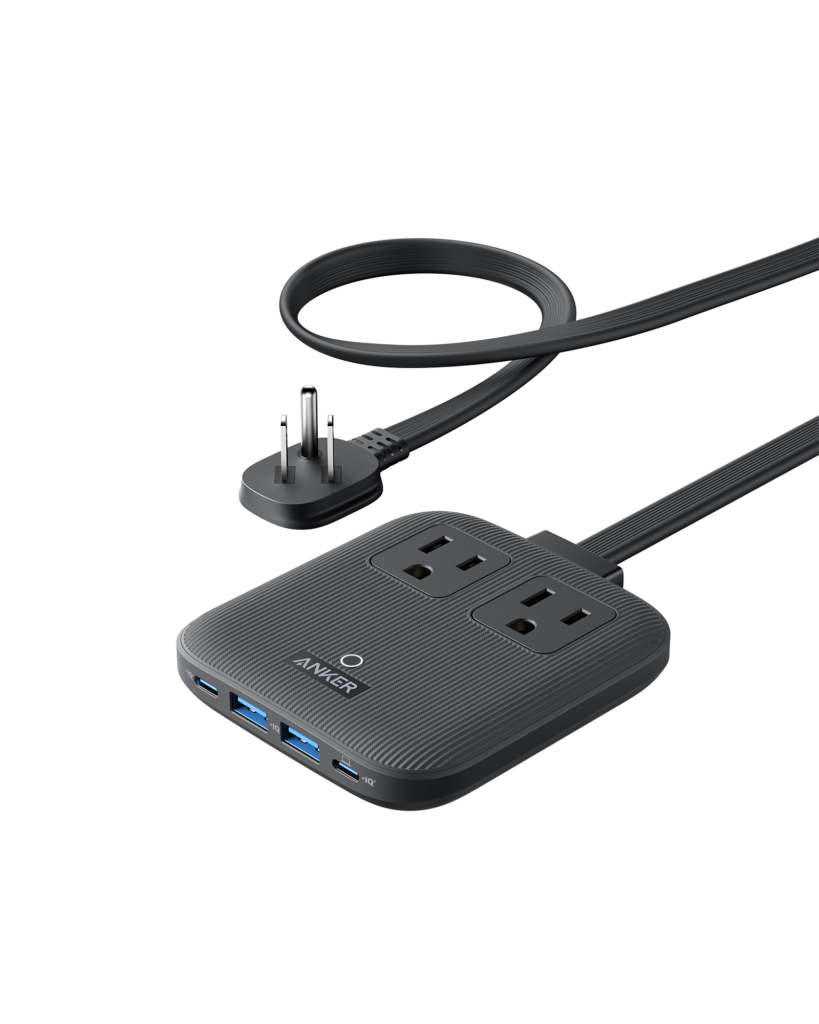
Anker Nano Charging Station 6-in-1 (67W)
About $32–$40 (checked October 3, 2026)
2 AC · 2 USB-C · 2 USB-A · 67 W max USB-C
RVs never have enough outlets in the right places, and every device now wants USB-C. This small Anker turns one outlet into two AC plugs and four USB ports, with up to 67 watts from a single USB-C port, which is enough to charge most laptops. The flat plug fits behind a dinette cushion or nightstand, and the 5-foot cord reaches the table. It is the cheapest upgrade on this list and the one you will use every single day.
What we like
- Six ports from one outlet
- Fast-charges a laptop over USB-C
- Flat plug and 5 ft cord fit tight RV spaces
Keep in mind
- The 67 W is shared when several devices charge at once
- Not shore-power protection; that is the Power Watchdog’s job
Picks 5–8
Stay connected
Internet at the campground, on the road and far off-grid.
#5
Best internet anywhere
Starlink Mini with a Roam plan
About $199–$299 for the dish, plus Roam from $55/month (checked October 3, 2026)
2.4 lb · Built-in Wi-Fi · 12–48 V DC or 100 W USB-C · IP67
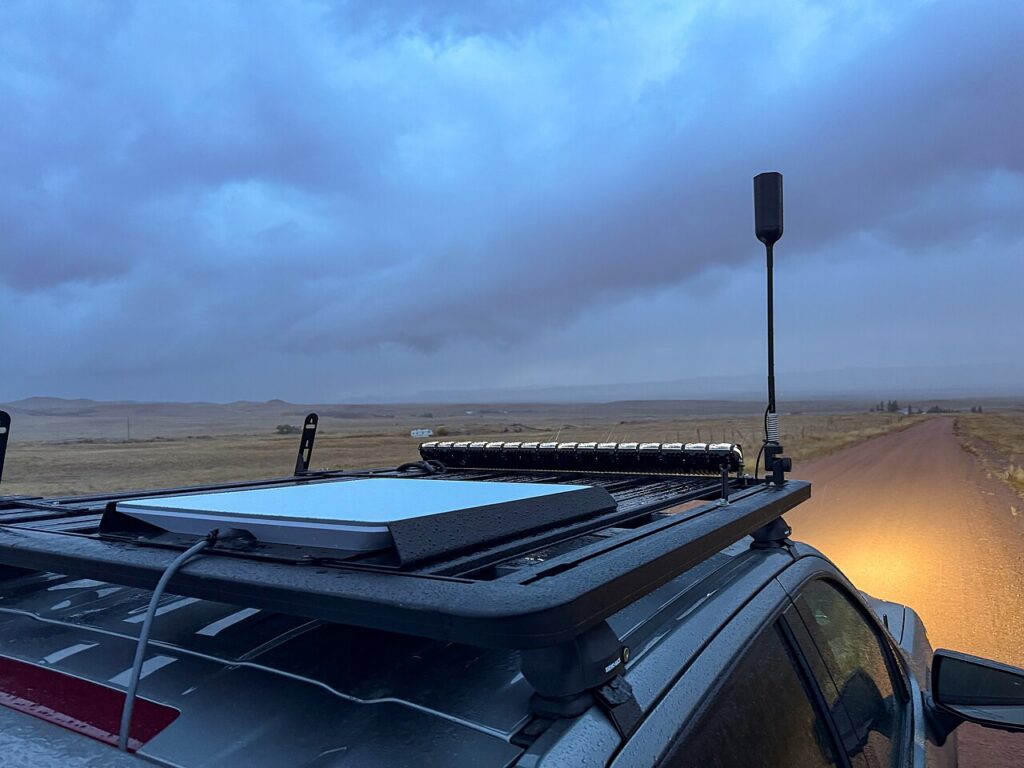
Starlink changed RV life: real broadband in places with no cell signal at all. The Mini is the RVer’s version, about the size of a laptop with the Wi-Fi router built in, and it draws roughly 25 to 40 watts, so it runs from 12-volt power, a 100-watt USB-C power bank or the Jackery above. Pair it with a Roam plan (Roam 100GB is $55 a month and Roam Unlimited is $175 after Starlink’s 2026 price changes), and pause service in Standby mode for $10 a month when the RV is parked for the season. The dish is sold by Starlink and big-box stores rather than Amazon, so we link to Starlink directly. (Our photo shows a full-size Starlink dish on an overland rig.)
What we like
- Fast internet far beyond cell coverage
- Small, light and runs on 12 V or USB-C power
- Service can be paused when the RV is in storage
Keep in mind
- Needs a clear view of the sky; tall trees block it
- Plan prices and hardware promos change often
#6
Best cell booster
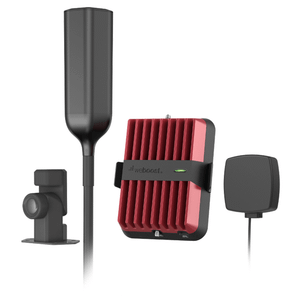
weBoost RV20 (formerly Drive Reach RV II) cell signal booster
About $550 (checked October 3, 2026)
Up to 50 dB gain · All US carriers · 5G-ready · Works driving or parked
At many campgrounds you have one bar of signal, and one bar is not enough to work, stream or even load a map. A booster pulls in that weak outside signal with a roof antenna, amplifies it and rebroadcasts it inside the rig for every phone and hotspot, on every carrier. The RV20 is weBoost’s current RV kit (it replaced the Drive Reach RV), and it works while you drive as well as when you are parked. Full-timers who stay put for weeks can step up to the weBoost Destination RV (about $650), which adds a tall directional mast for parked use only.
What we like
- Boosts calls and data for every carrier at once
- Works on the road and at camp
- Helps phone hotspots and cellular routers
Keep in mind
- Cannot create signal where there is none at all
- Install means running a cable from a roof antenna
#7
Best travel router
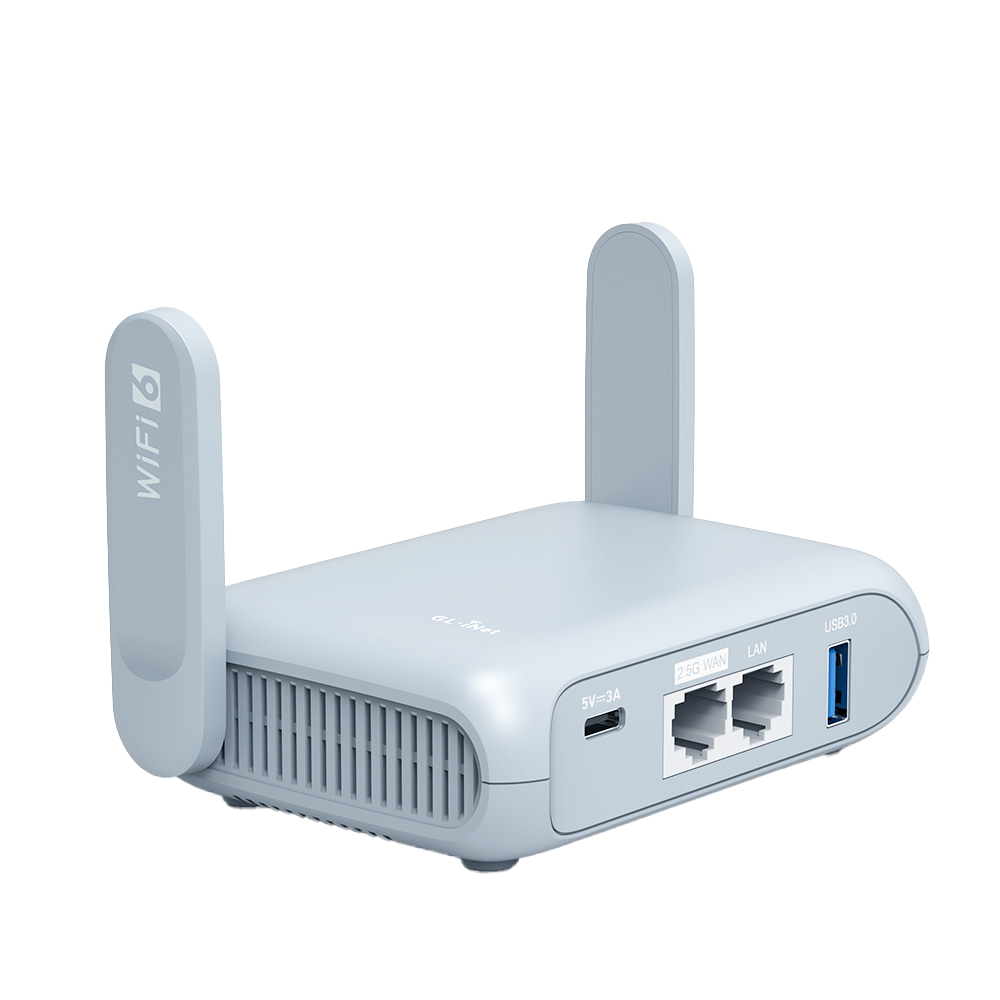
GL.iNet Beryl AX (GL-MT3000) Wi-Fi 6 travel router
About $70–$99 (checked October 3, 2026)
Wi-Fi 6 · 2.5G WAN · USB phone tethering · WireGuard VPN
A travel router gives the RV its own home network. Sign the Beryl AX in to the campground Wi-Fi once, and your laptops, phones, cameras and Fire TV join your private network automatically at every park, without typing a new password into every device. It can also share a phone’s connection over USB, plug into Starlink or a park’s Ethernet jack, and run a VPN so your banking is not riding on open campground Wi-Fi. It runs from a USB-C charger, so it fits anywhere.
What we like
- Every device connects once and remembers your network
- Joins park Wi-Fi, a phone tether, Starlink or Ethernet
- Built-in VPN for public Wi-Fi
Keep in mind
- Setup happens in a web page, so it takes a few minutes the first time
- Only as fast as the park Wi-Fi or phone you connect it to
#8
Best for movie night
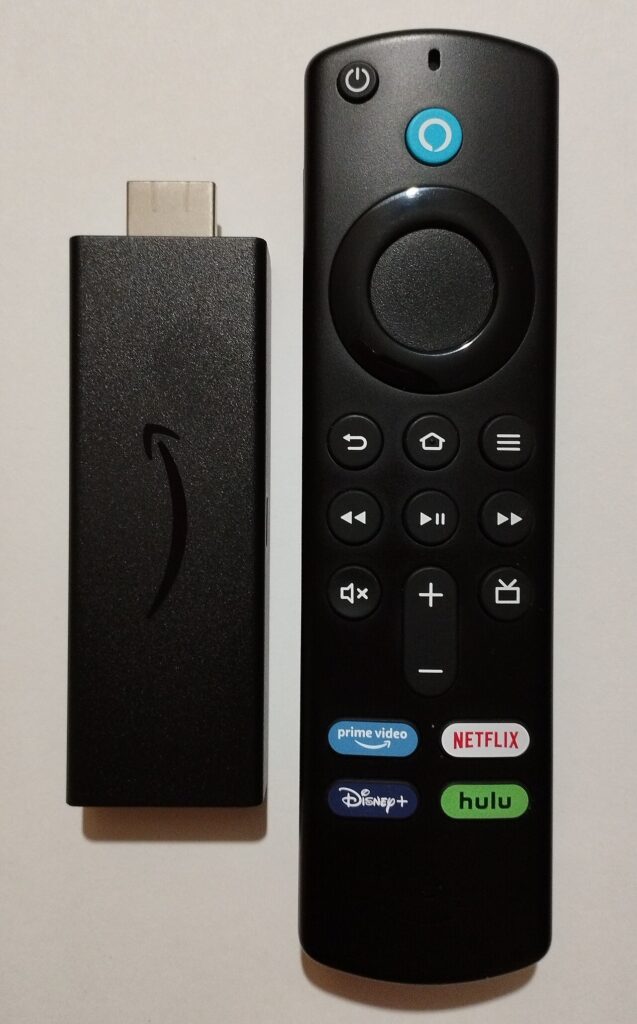
Amazon Fire TV Stick 4K (2026, 3rd generation)
About $60 list (often on sale) (checked October 3, 2026)
Wi-Fi 6 · Bluetooth 5.3 · 4K HDR · Can run off the TV’s USB port
RV televisions are usually basic, and over-the-air channels disappear the moment you leave town. A streaming stick turns any TV with HDMI into a smart TV, and the new 2026 Fire TV Stick 4K adds faster Wi-Fi 6 and can draw power from the TV’s USB port, so there is no extra plug to find. Connect it to your travel router once and it works at every campground. Keep an eye on data: 4K streams can use up to about 7 GB an hour, so drop the quality to HD on a capped plan. (Our photo shows an earlier Fire TV Stick.)
What we like
- Turns any HDMI TV into a smart TV
- Wi-Fi 6 and USB power from the TV
- Works with every major streaming app
Keep in mind
- 4K streaming uses a lot of data on cellular or Starlink plans
- The new Vega OS does not allow sideloading apps
Data math
A 100 GB Starlink Roam plan sounds like plenty until movie night: 4K video can use up to about 7 GB an hour. Stream in HD, set phones and laptops to update only on Wi-Fi you trust, and the data lasts the month.
Picks 9–11
Safety on the road
Tires, backing up and routes that fit your rig.
#9
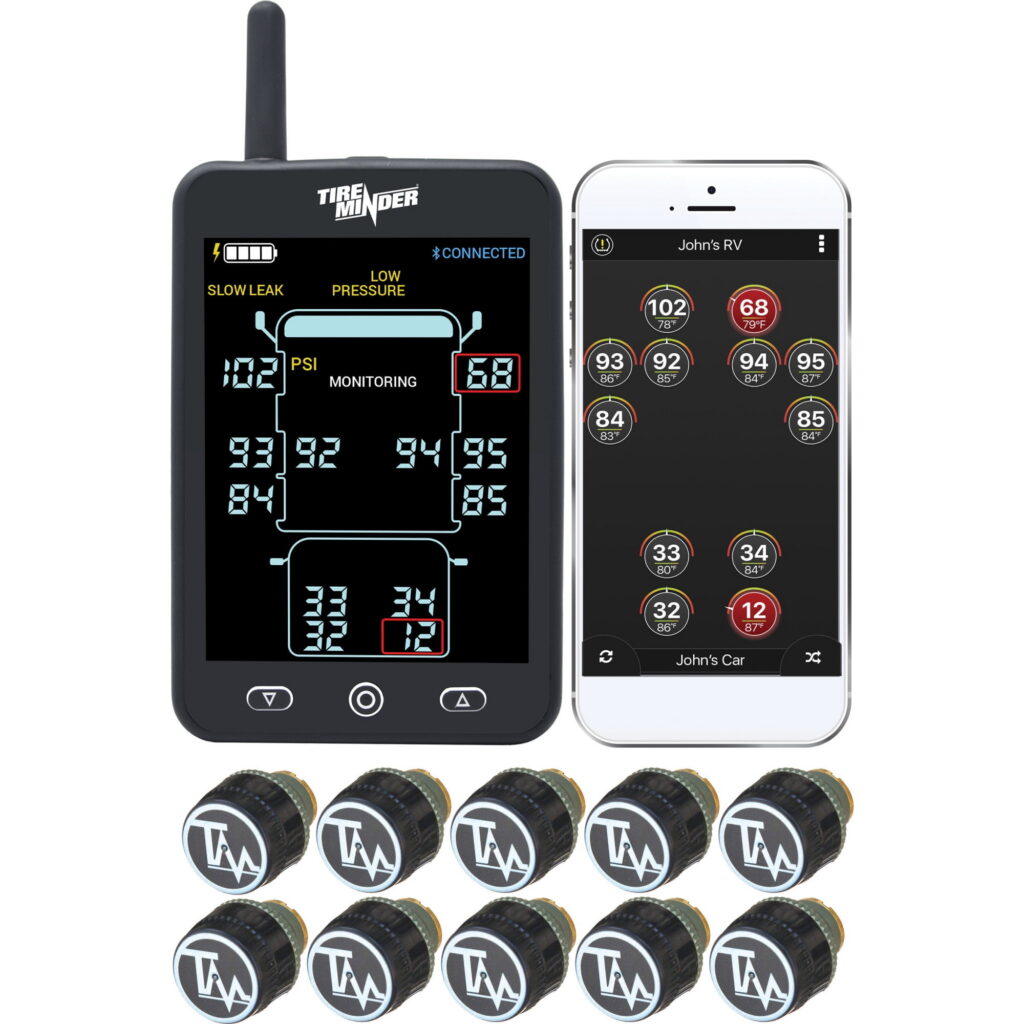
Best tire monitor
TireMinder A1AS tire pressure monitoring system (TPMS)
About $690 for the 10-sensor kit (4- and 6-sensor kits cost less) (checked October 3, 2026)
5.5-in color monitor + app · Up to 22 tires · Signal booster included
RV tires fail from slow leaks and heat long before you would notice from the driver’s seat, and a blowout on a trailer or motorhome can tear off fenders, plumbing and wiring. The TireMinder A1AS puts a sensor on every valve stem and shows pressure and temperature on a 5.5-inch color monitor (or the TireMinder app), with alarms for high or low pressure, rapid air loss and high temperature. It handles up to 22 tires, so the RV and the tow car or truck can all be on one screen, and the included signal booster keeps long rigs connected.
What we like
- Warns of slow leaks and hot tires before they fail
- Covers the RV and the tow vehicle on one screen
- Accurate to about 1 PSI
Keep in mind
- The screen can be hard to read in bright daylight
- A full kit for a big rig and toad is a real investment
#10
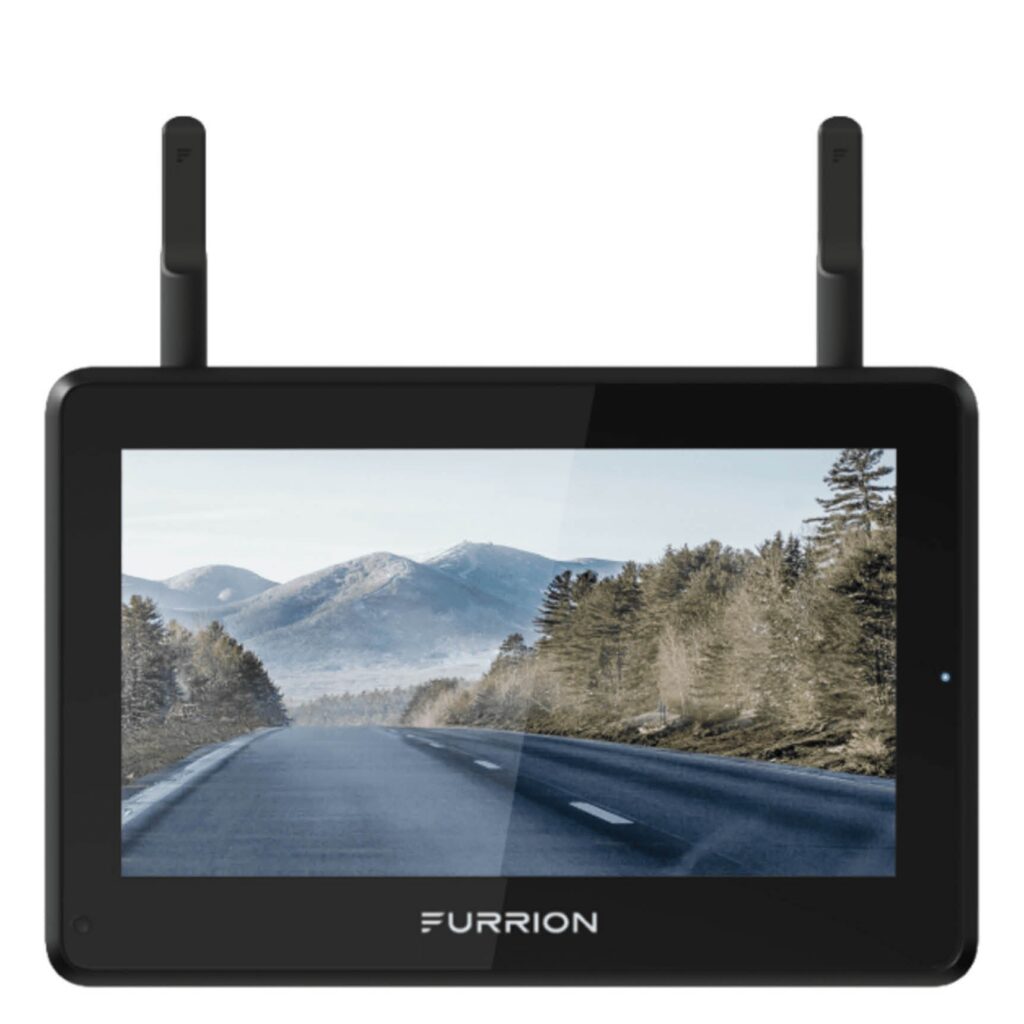
Best backup camera
Furrion Vision S+ 7-inch backup camera system (FOS7HTASF)
About $480–$505 (checked October 3, 2026)
1080p sharkfin camera · 7-in touchscreen · Night vision · Up to 4 cameras
Many trailers and motorhomes leave the factory with a Furrion sharkfin mount already wired on the back, waiting for a camera. The Vision S+ clips into that mount and sends a 1080p, 140-degree picture with infrared night vision to a 7-inch touchscreen on the dash, which makes backing into a tight site far less stressful for the driver and the spotter. When you are parked, its motion-activated security mode wakes the monitor if something moves behind the rig, and it can record to an SD card. You can add side cameras later for lane changes.
What we like
- Uses the Furrion-prewired mount on many RVs
- Sharp 1080p picture with night vision
- Motion-activated security mode when parked
Keep in mind
- Vision S+ parts do not mix with older Vision 1, 2 or S systems
- Pricey if your rig is not already prewired
#11
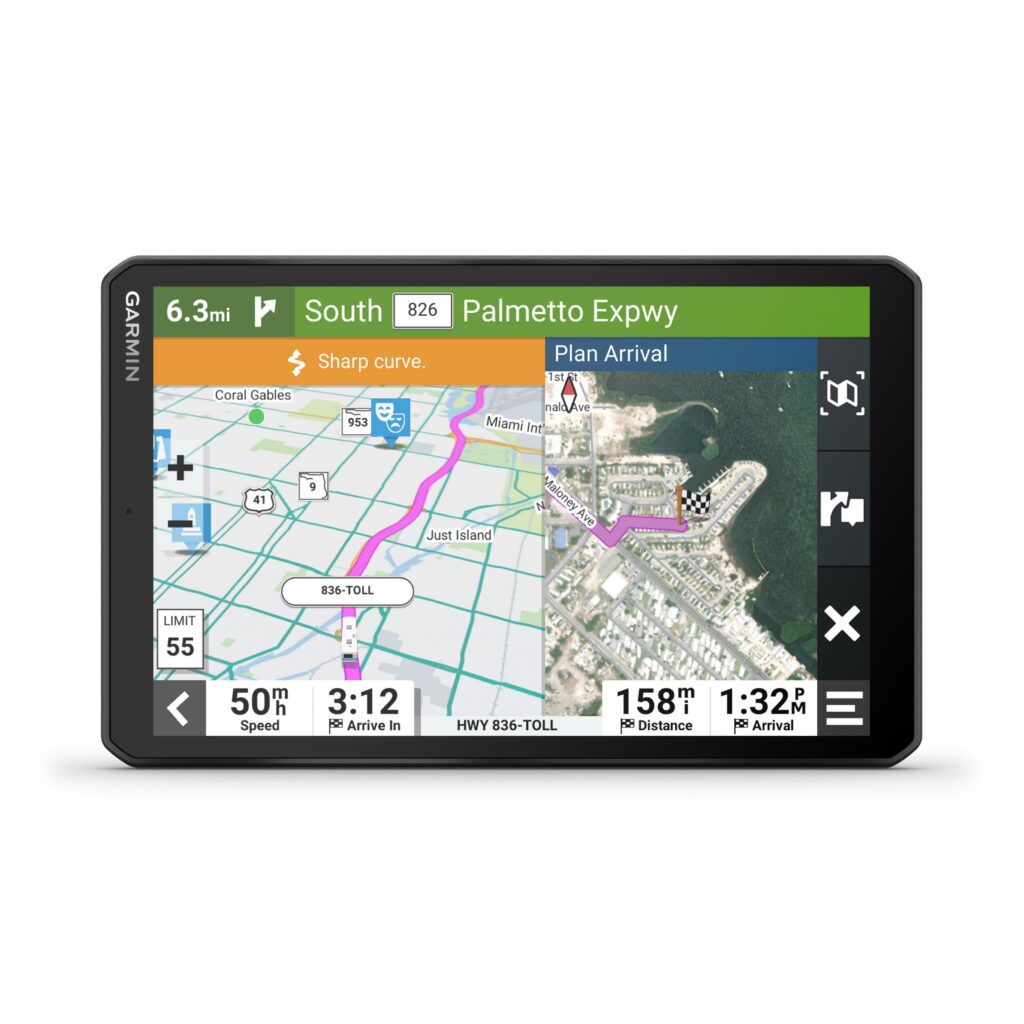
Best RV GPS
Garmin RV 895 8-inch RV GPS navigator
About $650–$700 (checked October 3, 2026)
8-in screen · Routes by RV size and weight · Campground directories
Phone maps do not know your rig is 13 feet tall and 30,000 pounds. The Garmin RV 895 plans routes around your RV’s height, length and weight, warns you about steep grades and sharp curves ahead, and comes loaded with campground directories including Ultimate Public Campgrounds and KOA. The 8-inch screen is easy to read on the dash, and with the Garmin Drive app it adds live traffic and weather. We compare it with other navigators in our RV GPS guide.
What we like
- Routes around low bridges and weight limits for your rig
- Steep-grade and sharp-curve warnings
- Big, bright 8-in screen
Keep in mind
- Expensive next to free phone apps
- Needs Wi-Fi to download map updates
Picks 12–15
Smarter campsite
Level, propane, pets and peace of mind from your phone.
#12
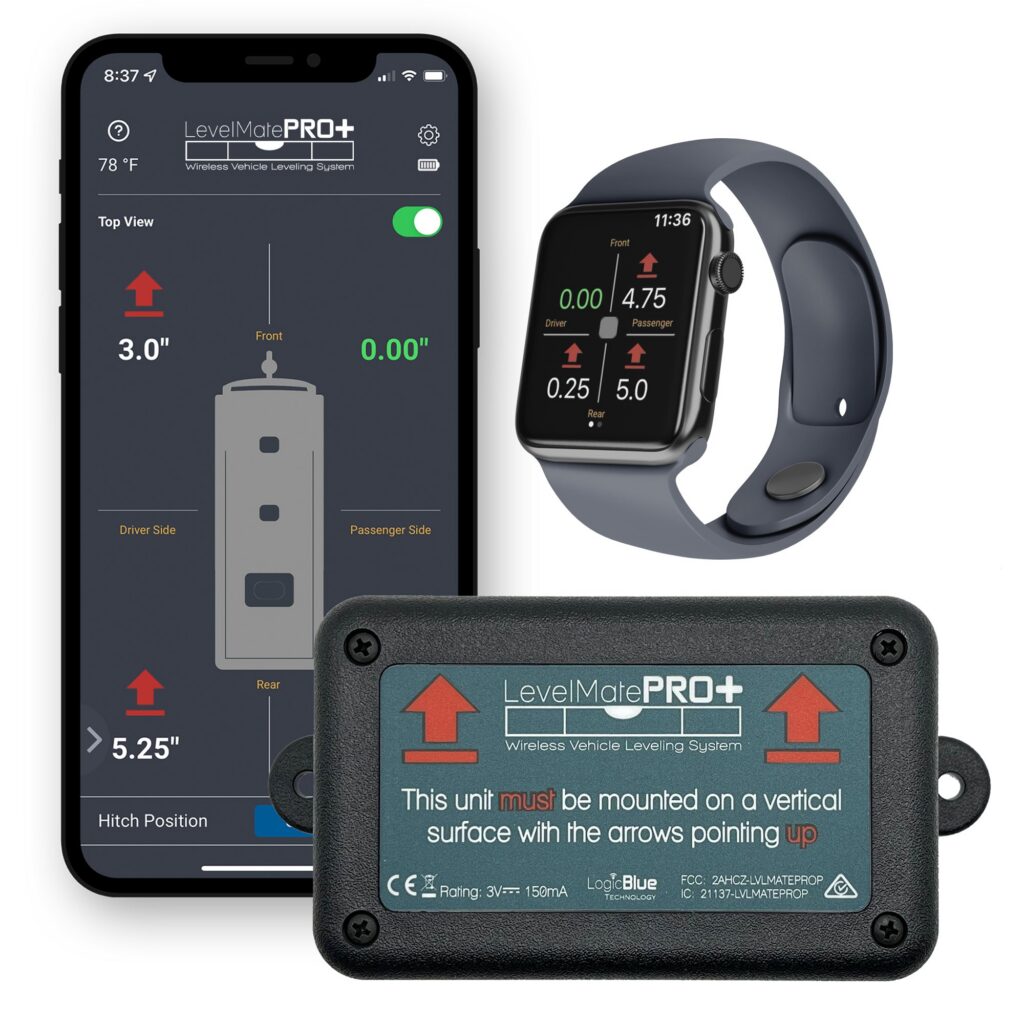
Best leveling helper
LevelMatePRO+ wireless RV leveling system
About $120 (checked October 3, 2026)
Bluetooth app · Shows how much to raise each side · Saves hitch height
Leveling is the most common campsite argument. LevelMatePRO+ mounts inside the rig and tells your phone (or Apple Watch) which side to raise and by how much, so you can put the right blocks under the right tire on the first try instead of pulling on and off three times. Trailer owners can save the hitch position before unhooking, which makes hitching back up much faster. It is made in the USA and runs on a coin battery or USB power.
What we like
- Shows which side to raise and how much
- Saves hitch height for faster hookups
- Works with an Apple Watch
Keep in mind
- Needs careful calibration when you first install it
- It tells you how to level; you still need blocks or jacks
#13

Best under $100
Mopeka Pro Check Universal propane tank sensor (steel tanks)
About $60–$73 (checked October 3, 2026)
Ultrasonic, magnetic mount · Tank Check app · Tanks up to 250 gal
Running out of propane at 5 a.m. on a cold morning is a rite of passage nobody needs. The Mopeka sensor sticks magnetically to the bottom of a steel propane tank and uses ultrasound to read the level through the steel, so you check it on your phone with the free Tank Check app instead of lifting or guessing. Add a sensor to each tank and set an alarm for when one gets low. Order the steel-tank version; the aluminum and composite version is not magnetic.
What we like
- Reads propane level from your phone
- No plumbing; it sticks to the tank
- Low-level alarms you set yourself
Keep in mind
- Bluetooth range shrinks inside a metal tank compartment
- You need one sensor per tank
Pet safety
A temperature alert only helps if someone can act on it. Leave the A/C running on protected shore power, keep your phone on you, and give the camp host your number before you head out for the day.
#14
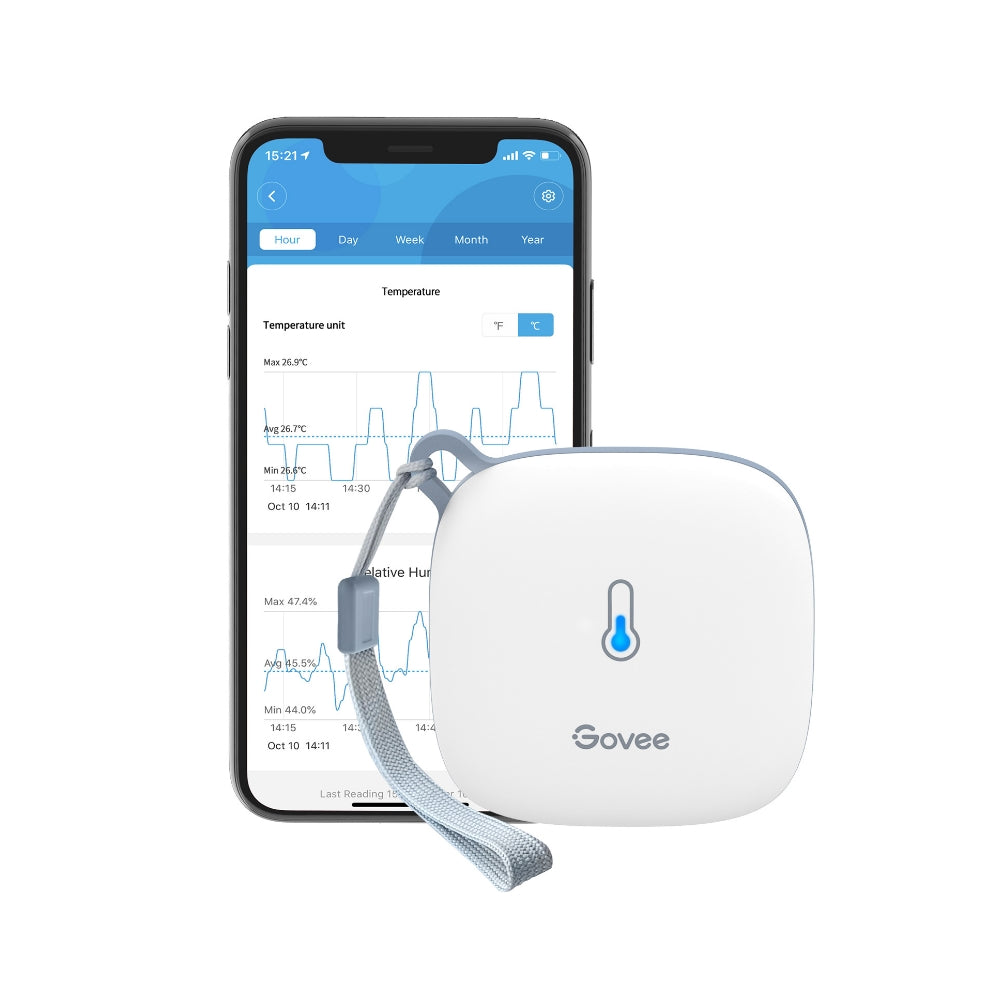
Best for pet owners
Govee H5179 Wi-Fi thermometer and hygrometer
About $34 (checked October 3, 2026)
Phone alerts · ±0.54°F accuracy · 2.4 GHz Wi-Fi · Runs on 3 AA
If your dog or cat stays in the RV while you hike or eat out, you need to know if the A/C quits. The Govee H5179 sits on a shelf and sends an alert to your phone the moment the temperature or humidity goes outside the range you set, and the app keeps a history so you can see how warm the rig got. It is inexpensive and simple, with one important catch: it alerts over Wi-Fi, so it needs a working network in the rig (a travel router or Starlink). For campgrounds where the power or Wi-Fi drops, a cellular pet monitor such as the Waggle (about $99 and up, plus a monthly plan) keeps working.
What we like
- Temperature and humidity alerts on your phone
- Inexpensive and runs on AA batteries
- History graph shows what happened while you were out
Keep in mind
- No Wi-Fi in the rig means no alerts
- Works on 2.4 GHz Wi-Fi only
#15
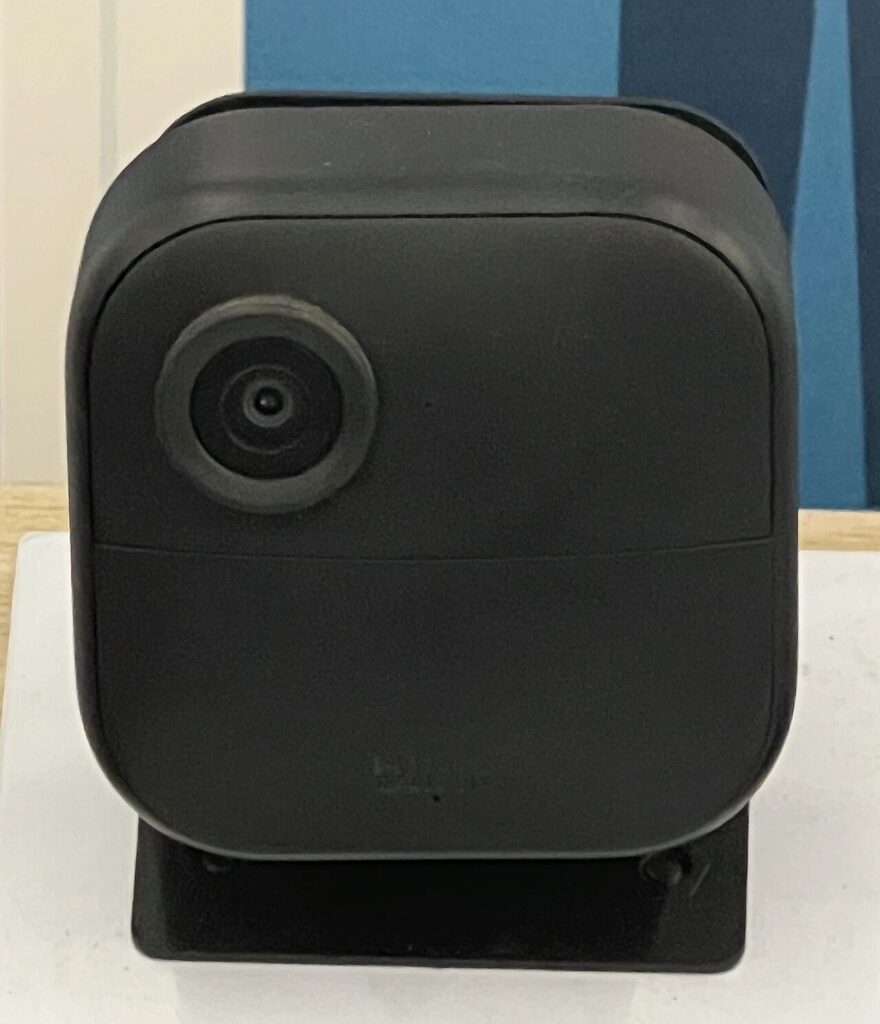
Best campsite camera
Blink Outdoor 2K+ wireless security camera
About $50–$100 (checked October 3, 2026)
Battery powered · 2K video · Motion alerts · Optional plan from $3.99/month
A small battery camera lets you check on the campsite, the bikes and the rig while you are out exploring. Blink cameras need no wiring, so one can sit on the dash looking out the windshield or mount near the door, and they run on AA lithium batteries for up to two years. You get live view and motion alerts on your phone without a subscription; saving video clips needs a Blink plan or a Sync Module 2 with a USB stick. Like the Govee, it needs Wi-Fi in the rig. Please aim it at your own site, not your neighbors. (Our photo shows the similar Blink Outdoor 4.)
What we like
- No wires; place it anywhere in minutes
- Long battery life
- Live view and motion alerts without a plan
Keep in mind
- Needs Wi-Fi from a travel router or hotspot
- Saving clips needs a plan or a Sync Module 2 with USB storage
Side by side
Compare all 15 RV tech gadgets
What each gadget does, how it connects and roughly what it costs. Tap a name to jump to its write-up.
| Gadget | Category | Best for | Connects via | Price (about) |
|---|---|---|---|---|
| Power Watchdog Gen II | Power | Every RVer who plugs in at campgrounds | Bluetooth + Wi-Fi app | $340 |
| Jackery Explorer 1000 v2 | Power | Dry camping without a generator | App; AC, USB and 12 V outputs | $400–$500 |
| Victron SmartShunt | Power | Knowing how much battery is left | Bluetooth app | $100 |
| Anker Nano Charging Station | Power | More outlets and fast USB-C | Any 120 V outlet | $32–$40 |
| Starlink Mini | Internet | Remote work and boondocking | Satellite, built-in Wi-Fi | $199–$299 + plan |
| weBoost RV20 | Internet | Campgrounds with one bar of signal | Boosts existing cell signal | $550 |
| GL.iNet Beryl AX | Internet | Sharing campground Wi-Fi | Wi-Fi 6, USB tether, Ethernet | $70–$99 |
| Fire TV Stick 4K | Internet | Streaming on the RV TV | Wi-Fi 6 | $60 |
| TireMinder A1AS TPMS | Safety | Catching leaks and hot tires early | Wireless sensors to monitor + app | $690 (10 sensors) |
| Furrion Vision S+ | Safety | Backing into tight sites | Wireless camera to 7-in monitor | $480–$505 |
| Garmin RV 895 | Safety | Routes that fit your rig | GPS; Bluetooth + Wi-Fi updates | $650–$700 |
| LevelMatePRO+ | Campsite | Leveling on the first try | Bluetooth app | $120 |
| Mopeka Pro Check Universal | Campsite | Never running out of propane | Bluetooth app | $60–$73 |
| Govee H5179 | Campsite | Pets left in the rig | 2.4 GHz Wi-Fi | $34 |
| Blink Outdoor 2K+ | Campsite | Watching the campsite while you explore | Wi-Fi | $50–$100 |
Kits by budget
Build your RV tech kit
You do not need all 15 on day one. Start with the kit that matches how you camp, and add the rest as your trips get longer.
Starter kit · about $260
The weekend starter
Protection and convenience for campground stays, for less than a tank of diesel.
- Progressive EMS-PT30X surge protector (about $150)
- Mopeka Pro Check propane sensor
- Anker Nano Charging Station
Weekender kit · about $1,000
Long weekends and dry camping
Smart surge protection, quiet off-grid power, easy leveling and Wi-Fi that just works.
Full-timer kit · about $2,700 + plan
Full-time and remote work
Internet anywhere, real battery data and every safety system for life on the road.
- Starlink Mini plus a Roam plan
- weBoost RV20 cell booster
- Victron SmartShunt
- TireMinder A1AS (10 sensors)
- Furrion Vision S+ and Garmin RV 895
Kit totals add up the typical prices on this page and are rounded; Starlink service is billed monthly on top.
Step by step
How to set up your RV tech at a new campsite
The order matters: protect the rig first, then get comfortable. The whole routine takes about 15 minutes once it is a habit.
- Plug in the surge protector first Turn the pedestal breaker off, plug the Power Watchdog into the pedestal and your RV cord into the Watchdog, then switch the breaker on. It checks the power and only connects the RV once the pedestal is safe.
- Level before you unhitch Open the LevelMatePRO+ app, save your hitch height, then add blocks exactly where it tells you to.
- Check propane and batteries Glance at the Mopeka and VictronConnect apps so you know what you have before the sun goes down.
- Get online Set up the Starlink Mini if you have open sky; otherwise switch on the weBoost. Point the Beryl AX travel router at the best source and every device follows.
- Arm your alerts Set the Govee temperature limits for the pets and aim the Blink camera at your own site before you head out exploring.
- Before you drive away Wake the TireMinder and check every tire, turn on the Furrion camera, and load the next campground into the Garmin.
Before you plug in
Turn the pedestal breaker off every time you plug in or unplug. It saves the pedestal contacts, your plug and your surge protector from arcing. If the Watchdog shows a fault code, ask the office for another site instead of plugging in without it.
Buying guide
How to choose RV technology gadgets
Four questions that separate RV camping gear you will use every trip from gear that rides in a drawer.
Start with protection
Buy the surge protector and the tire monitor before the fun gadgets. They protect the two most expensive things on any trip: the RV’s electrical system and its tires.
Match the connection to where you camp
Campground Wi-Fi plus a travel router covers most RV parks. A cell booster helps where you have a bar or two. Starlink is for forests, deserts and public land with no signal at all. Many full-timers carry two of the three.
Check amps, volts and watts
Surge protectors come in 30- and 50-amp versions; buy the one that matches your RV’s cord. Make sure USB-C gadgets get enough power, too: the Starlink Mini wants a 100-watt USB-C source.
Bluetooth, Wi-Fi or cellular?
Bluetooth sensors (Mopeka, LevelMate, Victron) only report when you are near the rig. Wi-Fi gadgets (Govee, Blink) alert you anywhere, but only while the rig has internet. Cellular monitors keep working when the Wi-Fi drops.
Keep exploring
More from RV-Roundup
Gear guides and the parks we have checked out in person.

Best RV GPS Devices & Navigators
Six RV navigators compared, from the Garmin RV 895 to budget picks.
Best RV Exterior Cleaning Supplies
Waterless wash, bug remover, roof cleaner and the brush we use.

RV Parks & Campgrounds
Our park-by-park guides, with hookups, Wi-Fi and cell notes and big-rig access.
Helpful answers
RV tech questions, answered
The questions RVers ask us most about staying powered, connected and safe.
Our top pick
Start with the Power Watchdog
It is the one gadget that protects every other gadget in your RV from a bad campground pedestal.
Thank you to the people behind these photos. Hero photo by Zendure Power Station on Unsplash. Starlink photo: “Starlink Flat Panel Dish on Roof of Truck” by Tony Webster (CC BY 2.0). Blink camera photo by TaurusEmerald and Fire TV Stick photo by JulianVilla26, both CC BY-SA 4.0 via Wikimedia Commons; resized. The other product photos come from the manufacturers and their authorized retailers,. Brand names are trademarks of their owners.
Affiliate disclosure
As an Amazon Associate, RV-Roundup earns from qualifying purchases. The “See it on Amazon” buttons on this page are affiliate links; if you buy through one, we receive a small commission from Amazon at no additional cost to you. That commission is what keeps this site free.
How we choose. We start with the gadgets RVers ask us about most at the campground, then check each one’s current model, specs and typical price with the manufacturer and major retailers on the date shown. When a model has been replaced (as the weBoost Drive Reach RV, Furrion Vision S and earlier Fire TV Stick 4K were), we list the current version. No manufacturer paid to be on this page, and a higher commission never moves a product up the list.
Prices and availability were checked on October 3, 2026 and can change at any time; the price you see at the time of purchase applies. Starlink plan prices are set by Starlink and change from time to time. Follow each manufacturer’s installation instructions; battery, electrical and antenna installs may call for a qualified RV technician. RV-Roundup is not responsible for errors, omissions or changes made after publication.