
RV Tips · Life on the road · Work while you travel
Workamper: The Essential Guide to Workamping
How RVers trade a few hours a week for a free campsite, or earn a real paycheck while they travel: the eight main kinds of workamping jobs, what each one pays, where to find them and how to get hired for your first season.
Site-only trade
15–35 hrs
A week, for a free campsite
Paid gigs
Up to $27+/hr
Range seen on Workamper News
Fastest money
Up to $4,400
Sugar beet harvest, 10–15 days
Job boards
Free–$67/yr
To search and apply
Pay, programs and job boards checked November 3, 2026 · By RV-Roundup
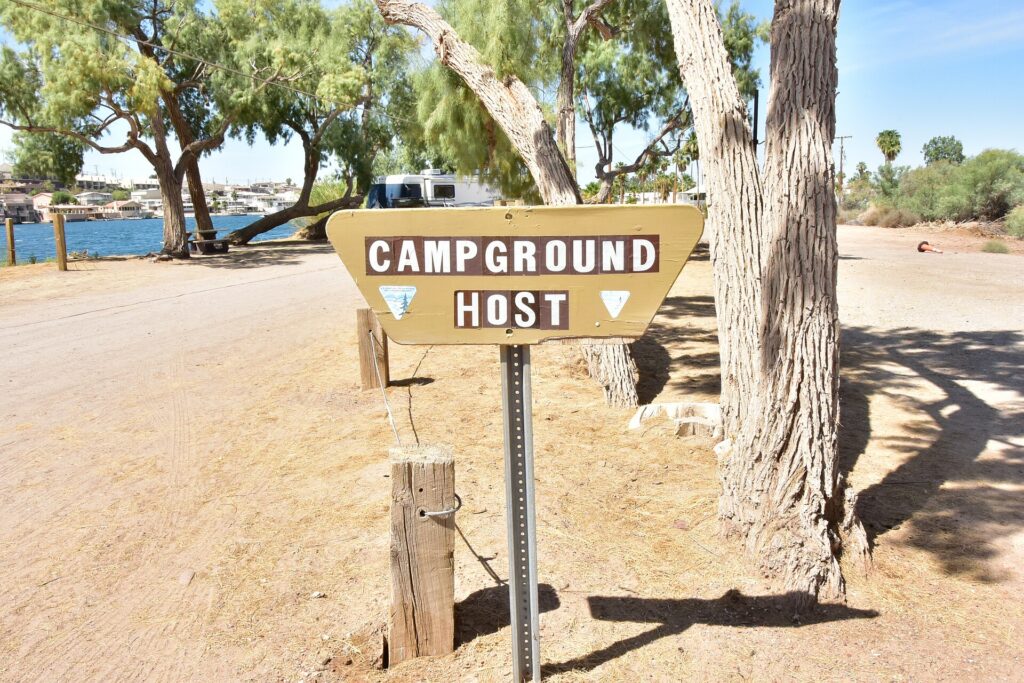
Crossroads Campground host site, Arizona
Photo: BLM Arizona on Wikimedia Commons (public domain)
Workamping 101
Three ways workamping pays you
Every workamping job is some mix of a campsite and a paycheck. Knowing which one you are being offered makes every listing easier to judge.
Volunteer
Trade hours for a free site
State parks, national forests and other public campgrounds give volunteer hosts a free campsite, often with hookups, for roughly 20 to 35 hours of work a week.
Site plus pay
Work for a site and a paycheck
Private RV parks and KOAs usually trade a set number of hours for your site and pay wages for the rest. The site is part of your pay, so check the math.
Paid season
Earn a full wage, short term
Harvests, holiday lots, national park concessions and gate guarding pay by the hour or the day. Many include or discount your RV site.
The short answer
Workamping is any kind of work you do while living in your RV. The term was coined and trademarked by Workamper News (opens in a new tab), which has connected RVers and employers since 1987. Most jobs are at campgrounds, RV parks, state and national parks and tourist attractions, and the deal runs from a free campsite in exchange for volunteer hours to full hourly pay with a site included. To get started, decide whether you need a free site or a paycheck, build a simple workamper resume, search the job boards below a season ahead, and get the hours, pay and site terms in writing before you roll in.
Job types
Eight kinds of workamping jobs
Some trade work for a campsite, some pay a full wage for a few hard weeks. Here is what each one involves and what it usually pays.
Campground host
Volunteer at a state park, national forest, BLM or lake campground. Hosts greet campers, explain the rules, collect fees and do light cleanup. The Coconino National Forest, for example, asks for about 32 hours a week and gives hosts a free site, trash pickup and propane.
Typical: free site · 20–35 hrs/week
Private RV parks and KOAs
Front desk, site escorts, maintenance, groundskeeping and housekeeping. Most KOAs are independently owned, so pay and site deals change from park to park. Ask how many hours cover the site and what extra hours pay.
Typical: site plus hourly pay · varies by park
National park concessions
Companies that run park stores, lodges and restaurants hire RVers for retail, food service and housekeeping. In Yellowstone, Delaware North’s general stores pay hourly and rent workamper RV sites for $50 to $80 a week with utilities.
Typical: hourly wage · low-cost employee RV site
Sugar beet harvest
Each fall, Express Employment Professionals hires RVers to run pilers and take samples at beet receiving stations in Minnesota, North Dakota and Michigan. It is not field work, but shifts run up to 12 hours in cold, muddy weather.
Typical: up to $4,400 a season · campsite paid
Pumpkin and Christmas tree lots
Live on the lot and sell pumpkins in October and trees from mid-November to Christmas. One California employer featured by Workamper News pays $4,000 to $5,000 per couple with a full-hookup site.
Typical: season pay · hookups on the lot
Oilfield gate guard
Log every truck in and out of a drilling site, mostly in Texas. Someone must be at the gate around the clock, so couples split the day. Your RV parks at the gate with a generator or power supplied.
Typical: about $200 a day per couple
Theme parks and attractions
Amusement parks and tourist attractions run seasonal workamper programs. Beech Bend Park in Kentucky, for example, gives its workampers free camping for the season they work.
Typical: wages plus a free site · summer
Warehouses and holiday retail
Amazon ended its CamperForce program for RVers after the 2022 holiday season, though it still hires seasonal workers. Warehouse and store jobs pay hourly, but you find and pay for your own campsite.
Typical: hourly pay · you pay for your site
Side by side
What workamping jobs pay
Figures from employer and agency pages and Workamper News, checked November 3, 2026. Pay changes every season, so confirm the current offer. Swipe sideways on a phone.
| Job | Typical pay | Your RV site | Season | Hours |
|---|---|---|---|---|
| Volunteer campground host | No wage | Free, often with hookups | Mostly spring to fall | About 20–35 hrs/week per person |
| Private RV park or KOA | Wages for hours beyond the site (varies) | Free or discounted | Seasonal and year-round | Workamper News suggests no more than 15 hrs/week for a full-hookup site |
| Yellowstone General Stores | Hourly wage | $50–$80 a week, utilities included | Summer | Full-time schedules |
| Sugar beet harvest | Up to $4,400 a season (MN/ND); up to $1,400 a week (MI) | Camping fees paid | Late September to October | 9–12 hour shifts, overtime |
| Pumpkin and Christmas tree lots | $4,000–$5,000 per couple at one California lot | On the lot, usually with hookups | October; mid-November to December 23 | Long days, often overnight security |
| Oilfield gate guard | About $200 a day per couple | Free pad at the gate, power supplied | Year-round | On call 24/7, split shifts |
Job boards
Where to find workamping jobs
Use one big board to see what is out there, then go straight to the parks and programs you like. Most employers hire by phone or video interview.
Paid & volunteerFree tier
Workamper News
The original workamping job board. Paid members get new listings in a daily Hotline email and on the website, and Pro adds a resume employers can search. The free Dreamer level sends the same Hotline email two weeks late.
- Largest list of jobs aimed at RVers
- Employer reviews and online job fairs
- Free tier sees listings two weeks late
VolunteerFree
Volunteer.gov
The federal volunteer site, where national forests and other public lands post their campground host openings. The Coconino National Forest, for one, takes summer host applications there.
- Federal campground host roles
- Search by state and agency
- Apply online at no cost
VolunteerFree
State park host programs
Every state runs its own host program and application. Michigan asks for 30 hours a week, Iowa 20 to 30, and Washington waives the site fee for hosts who serve at least 28 hours a week.
- Hookups common at host sites
- Background checks are typical
- Each state has its own application
Paid jobsFree
CoolWorks
Seasonal and year-round jobs in national parks, lodges, ranches and ski resorts. Housing filters include RV sites, and you always apply to the employer directly.
- National park and resort jobs
- Filter for RV-site housing
- Never charges you to apply
CampgroundsFree
WorkampingJobs.com
A simple, free board where RV parks and campgrounds post help-wanted ads and RVers post work-wanted ads. No registration is needed to browse.
- Mostly private campgrounds
- Post a free work-wanted ad
- Fewer big employers
KOA onlyAnnual fee
KOA Work Kamper
KOA’s own job board collects openings from KOA campgrounds, most of which are independently owned franchises. Because each KOA sets its own deal, compare offers carefully.
- Openings from KOAs nationwide
- Resume visible to KOA owners
- Pay and site terms vary by park
Never pay to get hired
Legitimate employers do not charge you to apply or to hold a job, and CoolWorks warns job seekers about exactly that. Read reviews of the employer, talk to past workampers if you can, and be wary of any offer that asks for a deposit, a money transfer or your bank details before you have a written agreement. For more ways to earn on the road, see our guide to saving money on RV trips.
Watch first
See what workamping really looks like
Two videos from people who know the work. Watch them before you send your first application.

Start here: what workamping is
A clear overview of how workamping deals are structured, the kinds of jobs RVers take and who it suits, from the RV parts retailer etrailer.

A day in the life of a camp host
Full-time RVers walk through a real camp host day: greeting campers, cleaning sites, handling questions and what the free site actually costs you in time.
Step by step
How to land your first workamping job
Eight steps, from deciding what you want to driving in for your first shift.
- Decide what you need most A free site, a paycheck or both. Volunteer hosting saves rent; harvests, concessions and gate guarding build savings fast. Knowing your goal rules out half the listings.
- Get your rig and paperwork ready Employers expect a reliable RV, a valid driver’s license and, for most parks and agencies, a background and driving-record check. Have photos of your rig handy, because many ads ask for them.
- Write a one-page workamper resume Put couples on one resume. Lead with customer service, cash handling, computer, maintenance, landscaping or cleaning skills, plus any camping and volunteer experience.
- Search a season ahead Summer jobs are often filled in winter and spring. Delaware North holds its online job fair for the next Yellowstone summer in November, and the Coconino National Forest closed summer host applications on April 30.
- Interview the employer too Ask how many hours each person works, which days are off, what the site includes (hookups, Wi-Fi, laundry, propane), what extra hours pay, and the rules on pets, mail and guests.
- Do the site math Divide the value of the site by the hours you trade for it. Workamper News says the result should at least equal the minimum wage where you are working.
- Get it in writing Ask for a written agreement with start and end dates, hours, pay, site details and who pays for utilities. It protects you if the job changes, and it helps at tax time.
- Finish strong and ask for a reference Complete the season you agreed to. Good references and repeat invitations are how experienced workampers line up the best jobs years ahead.
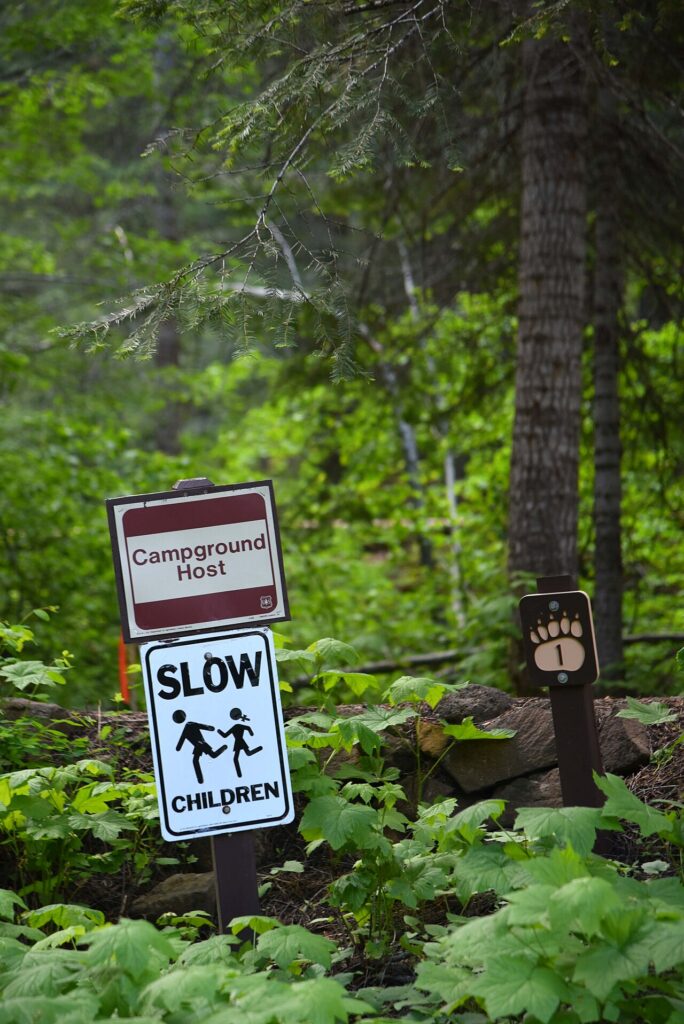
Photo: Kelly Martin, USDA Forest Service, on Wikimedia Commons (public domain)
Do the site math first
A free site is part of your pay. Here is a quick way to see what an offer is really worth.
Example: a $900-a-month full-hookup site ÷ 130 hours a month (two people, 15 hours a week each) = about $6.90 an hour
That is below the federal minimum wage of $7.25, so an offer like this should add wages or cut the hours.
Plan the year
Build a year of workamping, season by season
Chain jobs together and you can follow good weather and good pay around the calendar.
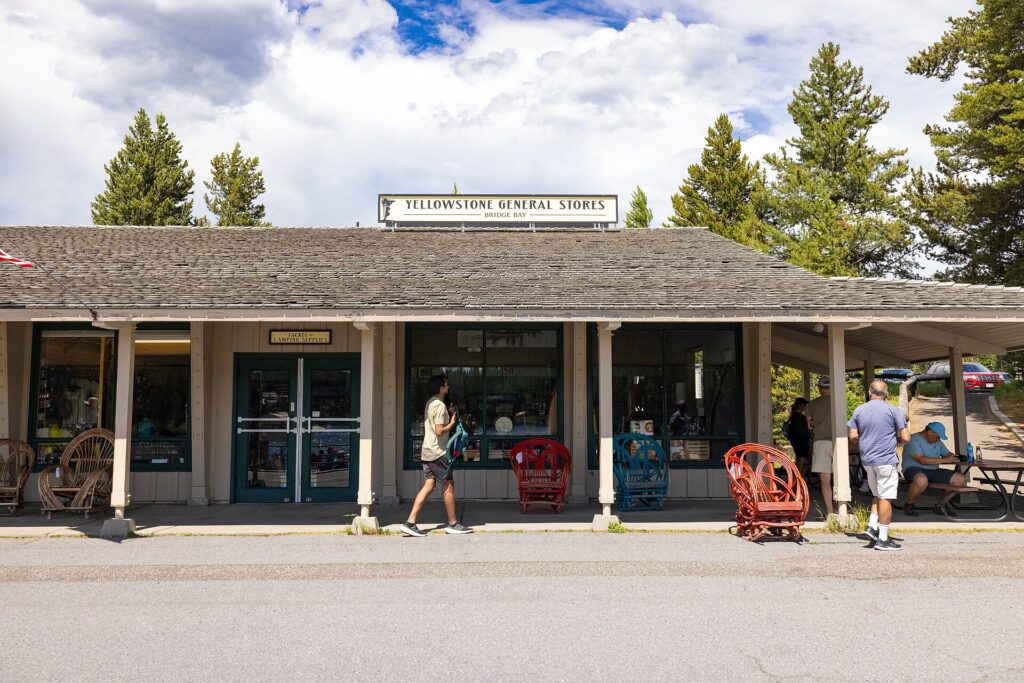
Photo: Yellowstone National Park on Wikimedia Commons (public domain)
Summer: national parks and northern campgrounds
Peak season for park concessions like Yellowstone General Stores and for camp hosts in the mountains and the north, roughly May through September.
Fall: harvests and pumpkin lots
The sugar beet harvest runs from late September into October, and pumpkin lots fill October. Short, intense and well paid.
Winter: holiday lots, then the Sun Belt
Christmas tree lots run from mid-November to December 23. After the holidays, look south: state parks, desert RV resorts and park concessions in warm states hire for the snowbird season.
Spring: opening crews
Campgrounds hire early arrivals to clean, repair and open for the season. It is also the last call for most summer jobs, so keep applying while you work.
Honest take
Is workamping right for you?
It is a great way to travel longer for less, but it is still a job. Weigh both sides before you commit to a season.
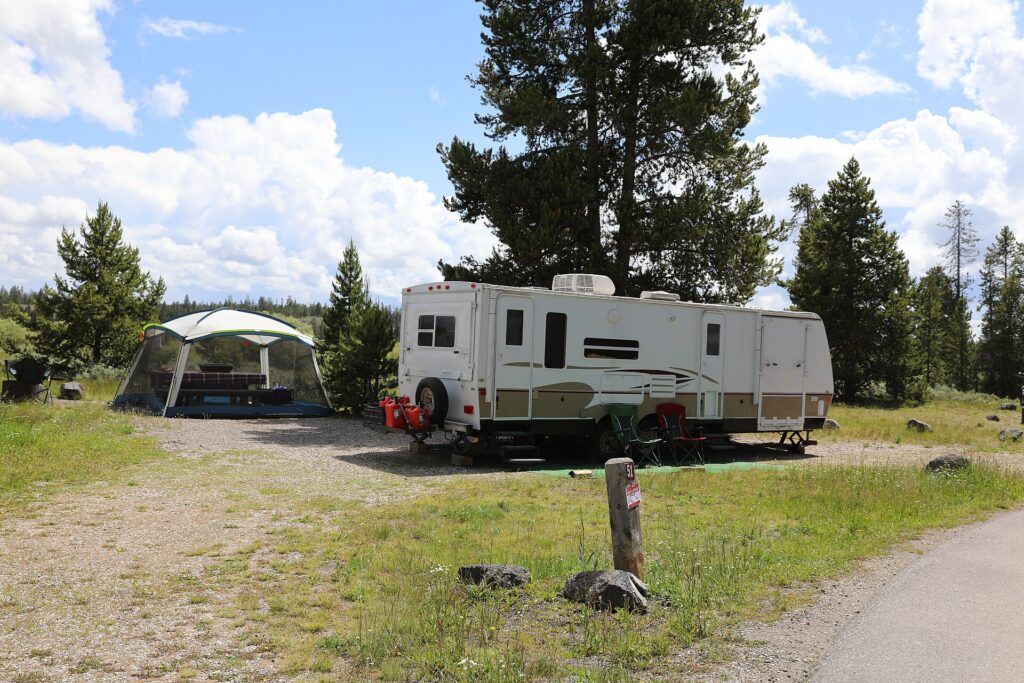
Photo: Charity Parks, USDA Forest Service Northern Region, on Wikimedia Commons (public domain)
Why RVers love it
- Free or cheap camping in places you would pay to visit
- Paid jobs that build savings fast: harvests, gate guarding, holiday lots
- Time to really know an area instead of passing through
- A ready-made community of other RVers and park staff
- Flexible: work a season, travel the next
- Many jobs need no special experience
What catches people out
- Site-only deals can work out below minimum wage
- Weekends and holidays are the busiest shifts
- Physical work in heat, cold, wind and mud
- Campers knock on the host’s door after hours
- You commit to one place for the whole season
- Taxes and paperwork get more complicated
Best fit: Retired and semi-retired RVers, full-timers and couples who like people, enjoy staying put for a few months and want their travel budget to stretch further.
Fine print
Taxes, pay and paperwork
The part nobody puts in the job ad. A few habits keep a good season from turning into a headache in April.
- A free site can count as income. The IRS treats lodging from an employer as a taxable fringe benefit unless it is on the employer’s premises, for the employer’s convenience and a condition of the job. IRS Publication 15-B (opens in a new tab) explains the rule.
- Get the lodging terms in writing. If you must live on site to do the job, ask the employer to say so in your agreement. That is your record if the value of the site is ever questioned.
- Check every W-2 and 1099. If the value of your site shows up as income when it should not, ask the employer to correct the form before you file.
- Know whether you are a volunteer or an employee. Public agencies use volunteers. At a for-profit park you are normally an employee, and Workamper News says your site plus wages should at least match the minimum wage.
- Track your own hours. Keep a simple log of the hours each of you works. It settles disagreements about extra pay and shows whether the deal still adds up.
- Plan for state taxes. Wages are usually taxed where you earn them, so a season in another state can mean another return. Some states, like Wyoming, have no state income tax.
We are not tax advisors
Tax rules for workampers depend on your job, your state and how your site is provided. Use this as a starting checklist, and talk to a tax professional who works with RVers before you file. Escapees’ guide to workamping and taxes (opens in a new tab) is a good plain-English primer.
Keep exploring
More guides for life on the road
Stretch your budget between jobs and keep the rig running smoothly.
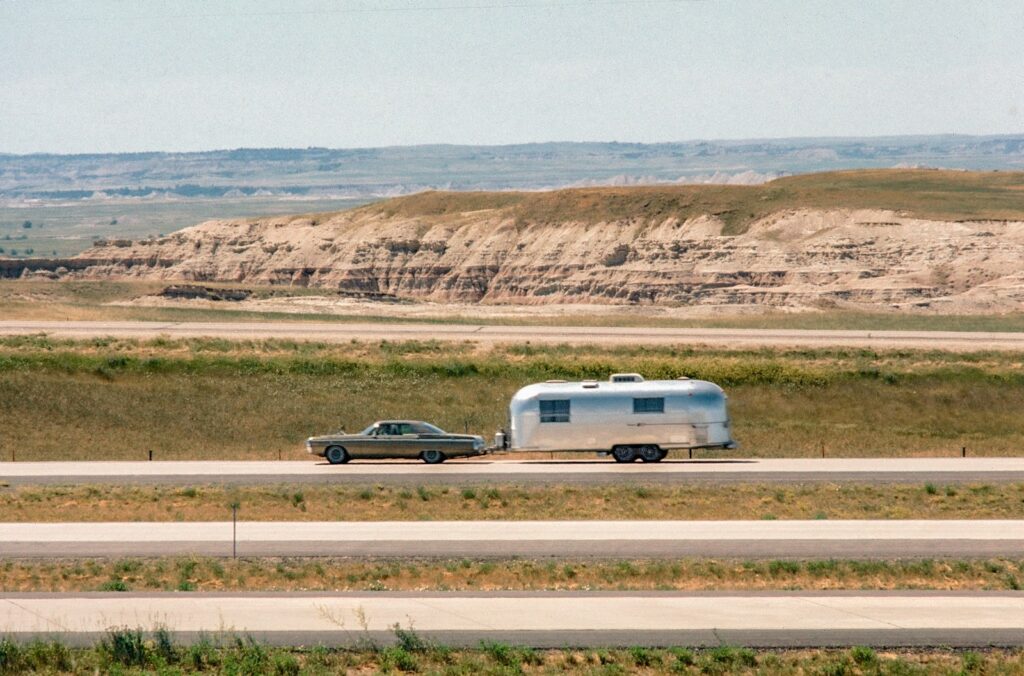
Best Ways to Save Money on Your Next RV Road Trip
Fuel, campsites and food: the habits that cut the biggest costs of life on the road.
Read the guide: Best Ways to Save Money on Your Next RV Road Trip
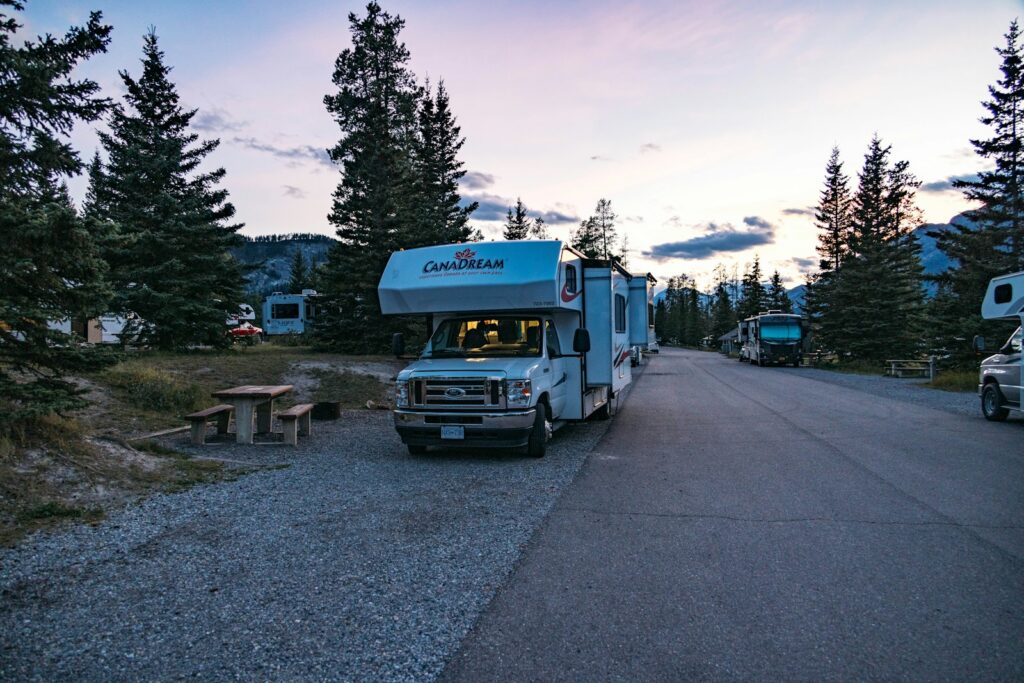
RV Campground Memberships Compared
Half-price campgrounds and free overnight stays to bridge the gaps between workamping jobs.
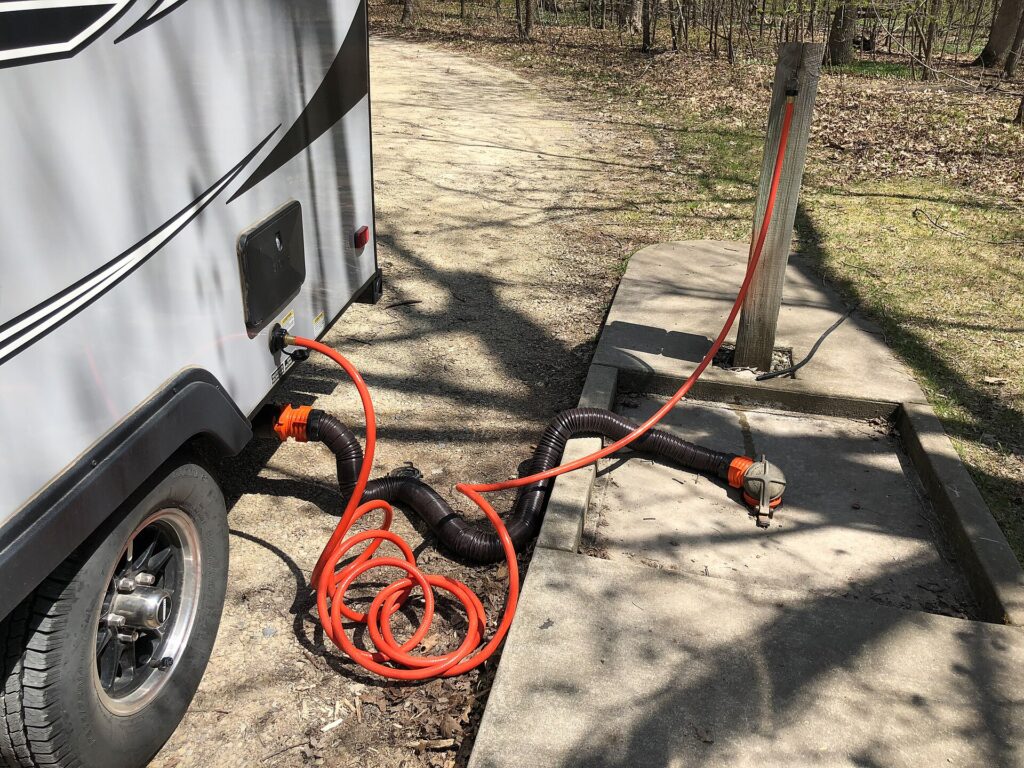
Easily Find RV Dump Locations Near Me
Host sites without sewer mean regular dump runs. Here is where to go and what it costs.
Helpful answers
Workamping questions, answered
What RVers ask most before their first workamping season.
Our pick to start
Browse workamping jobs on Workamper News
The biggest workamping job board. A free account gets the daily jobs email, and paid plans start at $5 a month.
Thank you to the people behind these photos. The top photo is from the Bureau of Land Management Arizona, the Yellowstone store photo is from Yellowstone National Park, and the campground photos are by Kelly Martin and Charity Parks of the USDA Forest Service, all in the public domain on Wikimedia Commons (opens in a new tab). Thanks also to etrailer and Henley’s Happy Trails for their videos. Other photos are from RV-Roundup’s library.
How we made this guide
We checked the pay, hours, programs and job boards on this page against employers’ and agencies’ own websites, Workamper News and IRS guidance on November 3, 2026. No employer or job board paid to be included, and none of the links on this page are affiliate links. Pay, hours and programs change every season, so confirm the details with the employer before you commit.