RV Tips · Money on the road · 12 ways to earn
Realistic Ways to Make Money While RV Traveling
A free campsite does not pay for fuel. These are the 12 ways RVers really earn money on the road in 2026, from workamping and the sugar beet harvest to remote work and mobile trades, with the real pay, start-up costs and catches for each, plus a calculator to check whether a site-for-hours deal is fair.
Ways to earn
12
From two-week jobs to year-round work
Campground pay
$15.46/hr
U.S. median, recreation attendants, May 2025
Sugar beet harvest
$21.11/hr
2026 job order, 12-hour shifts
Self-employed tax
15.3%
On net earnings of $400 or more
Pay, prices and rules checked November 6, 2026 · By RV-Roundup
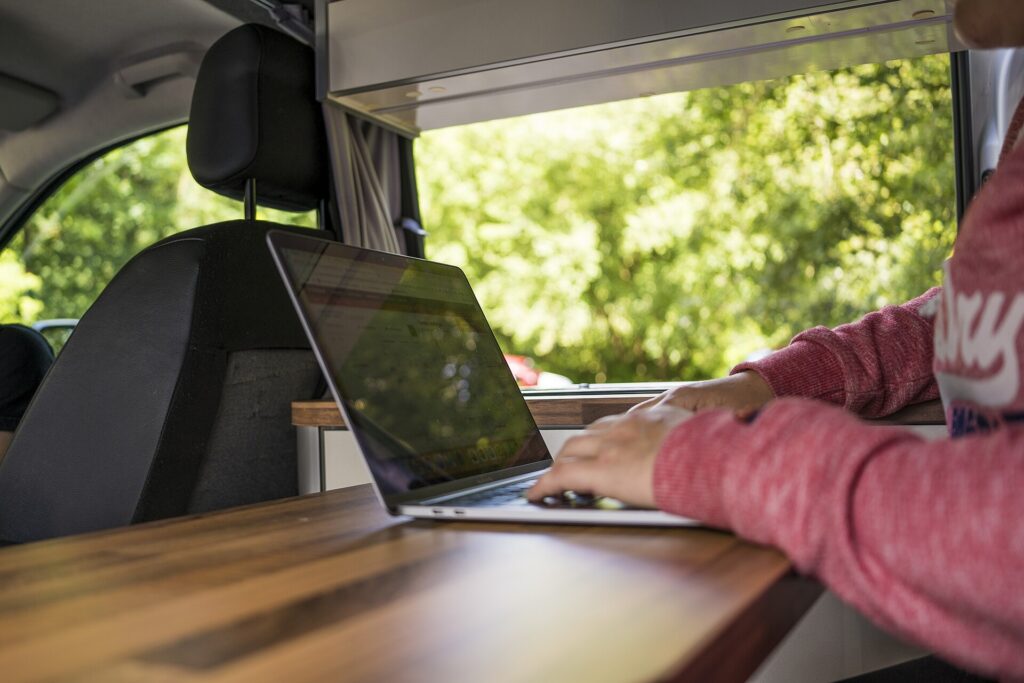
Photo: CruiseAmerica on Wikimedia Commons
Easiest place to start
Workamping at a campground
At a glance
Pick the path that fits your life
Every RVer’s situation is different. Start with what you need most, then jump to the full details further down.

Need cash fast
Work the sugar beet harvest
Two to three weeks of 12-hour shifts at $21.11 an hour on a 2026 job order, with camping paid.
Want a free campsite
Host a public campground
Trade about 24 to 30 hours a week for a free site at a state park, national forest or lake.

Keep your career
Take your job on the road
The steadiest income by far. Line up Starlink or a strong cell plan before you go.

Have a trade
Fix and inspect RVs
RV owners wait weeks for service. A mobile tech or certified inspector stays busy almost anywhere.

Love the parks
Work a national park summer
Full-time pay, a low-cost employee RV site and days off in places like Yellowstone.

Creative type
Film, write or make things
Slow to build, but YouTube, a blog or an Etsy shop can earn from anywhere.
The short answer
The most reliable ways to make money while RV traveling are a remote job you bring with you, seasonal jobs that include a campsite (workamping, campground hosting, national park concessions, the sugar beet harvest and holiday lots), and portable skills you can sell anywhere, such as freelancing or mobile RV repair. Expect campground and park wages around $15 to $17 an hour, a few thousand dollars per person from a two-week beet harvest, and months, not weeks, to build freelance, YouTube or craft income. Before you count on any of it, sort out internet, a domicile state and a tax plan.
Work for a campsite
Seasonal jobs that come with a campsite
These jobs give you a place to park as part of the deal, which removes the biggest bill most RVers have. Some pay wages on top; some pay only in the site.
Seasonal Site included
Easiest place to start
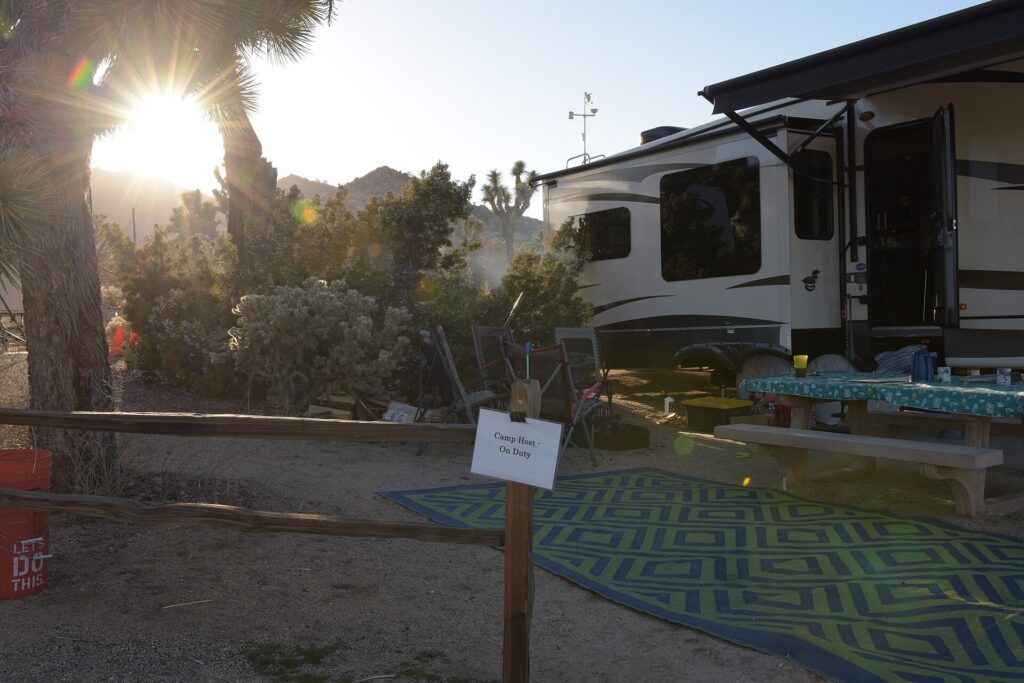
Workamping at RV parks and resorts
Pay: minimum wage to about $27 an hour, often plus a free site · Season: 3 to 6 months
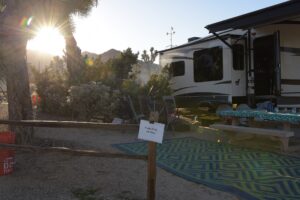
Private campgrounds, RV resorts, KOAs and attractions hire RVers every season to run the office, clean bathrooms, mow, lead activities and park rigs. The deal usually comes in one of three shapes: a free site in exchange for a set number of hours, hourly pay for every hour plus a site, or a full wage with a site at a discount. Workamper News says pay runs from minimum wage up to about $27 an hour, and the U.S. median for amusement and recreation attendants was $15.46 an hour in May 2025. Most jobs need no experience, just a reliable rig and a good attitude.
Why it works
- A full-hookup site, often free, for the whole season
- Jobs in every state and every season
- No experience needed for most positions
Watch out for
- A site-only trade can work out below minimum wage
- You are tied to one park for months
- Get hours, duties and end dates in writing
Best for: Retirees and couples who like staying in one place for a season.
Volunteer or paid Free site

Best way to camp free in the outdoors
Campground hosting on public land
Volunteer hosts: free site for about 24 to 30 hours a week · Concessionaire hosts: hourly pay plus a site
Campground hosts greet campers, sell firewood, answer questions and keep sites tidy at state parks, national forests and Army Corps of Engineers lakes. Most public-agency host jobs are volunteer: you trade about a workweek of part-time hours for a free site. Washington State Parks, for example, asks at least 28 hours a week per host site for a 30-day stint, and Michigan asks 30 hours a week from April to October. Many Forest Service campgrounds are run by private concessionaires such as American Land & Leisure and Recreation Resource Management, which pay an hourly wage plus a site.
Why it works
- Beautiful campsites you could never book for a whole season
- Short 30-day stints are common, so you can move on
- Paid concessionaire jobs add a paycheck
Watch out for
- Volunteer posts pay nothing beyond the site
- Remote campgrounds may have no hookups or cell signal
- You are on call when campers have a problem
Best for: Outdoor lovers who mostly need a free place to park.
Summer season Low-cost site
Best for a summer in a famous park
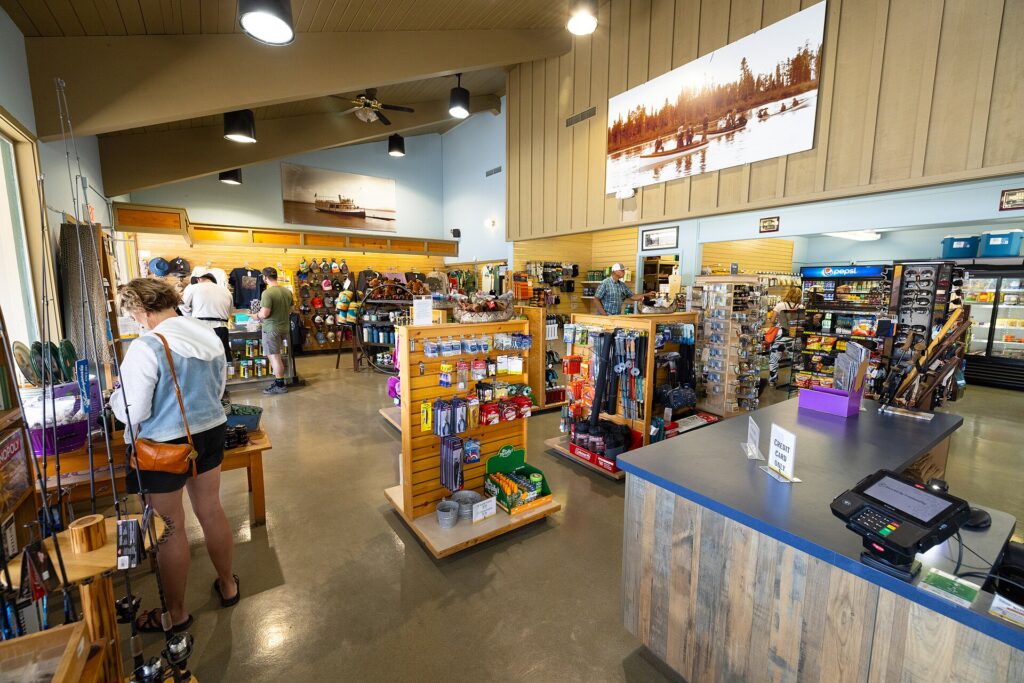
National park concession jobs
Example: $15.70 to $16.25 an hour at a Yellowstone campground, full-hookup site $140 per pay period (2026)
The hotels, stores, restaurants and campgrounds inside national parks are run by concession companies such as Xanterra, Aramark and Delaware North, and many of them set aside employee RV sites. Xanterra says most of its locations have employee RV sites at discounted rates, though some need a self-contained rig. A 2026 Yellowstone campground attendant job paid $15.70 to $16.25 an hour for about 40 hours a week, with a site with water, sewer and electric for $140 a pay period. You get a full paycheck and your days off in the park.
Why it works
- Full-time hours and a real paycheck
- Live and play in a national park all summer
- Easy to find on CoolWorks, which flags jobs with RV spaces
Watch out for
- Most jobs want you for the whole season, often April to October
- Summer hiring starts in winter
- Employee RV areas can be basic and crowded
Best for: Active RVers who want full-time work and a bucket-list address.
2 to 3 weeks Big paycheck

Biggest paycheck in the shortest time
Sugar beet harvest
$21.11 an hour on a 2026 federal job order · 12-hour shifts, 7 days a week · Campsite paid
Every fall, Express Employment Professionals hires hundreds of RVers to help American Crystal Sugar and Sidney Sugars pile harvested beets at receiving stations in the Red River Valley of North Dakota and Minnesota. You work beside the piler machines, not in the fields, taking samples, guiding trucks and cleaning up. Express does not post the hourly rate, but a 2026 federal seasonal job order for the same piler laborer job listed $21.11 an hour for 12-hour shifts over a 10 to 15 working-day season. Express also lists weekend premium pay, stay pay, a season completion bonus and paid camping. RVers who have done it report earning around $4,000 each.
Why it works
- Several thousand dollars in two or three weeks
- Camping fees paid, with hookups at many sites
- No experience needed
Watch out for
- Physically hard: cold, mud, lifting 25 pounds or more
- Bad weather can shut down piling and shorten the season
- You must stay to the end to get the bonus
Best for: Healthy RVers who want a big fall paycheck before heading south.
Oct to Dec Full season

Best for snowbirds heading south
Pumpkin patch and Christmas tree lots
Recent offers: $4,000 to $6,000 per couple for a Christmas tree season, plus full hookups
Seasonal lot operators park RVers on the lot to sell pumpkins in October and Christmas trees from mid-November to about December 23, often in California, Arizona and Texas. Workamper News rounded up offers such as $4,000 to $5,000 per couple at Pete’s & Queens Trees in Northern California and $4,000 to $6,000 plus bonuses at Bennett’s Best in Southern California, with hookups included. Hours are long and you live on site, but the money comes in a short burst right when many snowbirds are heading to warm weather anyway.
Why it works
- Good money for six weeks or less
- Hookups included on most lots
- Fits neatly between fall and winter travel
Watch out for
- Long days, including weekends and evenings
- You must stay through the whole season
- Living on a busy city lot is not camping
Best for: Couples who want a short, social, cash-rich job before winter.
Amazon CamperForce is gone
Many older articles still list Amazon’s CamperForce program. Amazon folded it into its regular seasonal hiring in December 2022, so there is no longer an RV-specific program with paid campsites. You can still apply for Amazon’s seasonal warehouse jobs, but you will have to find and pay for your own site.
Bring your work with you
Remote work: the steadiest road income
A laptop job pays the most and does not end with the season. It also depends completely on your internet, so plan that first.
Year-round Needs internet
Highest, steadiest income
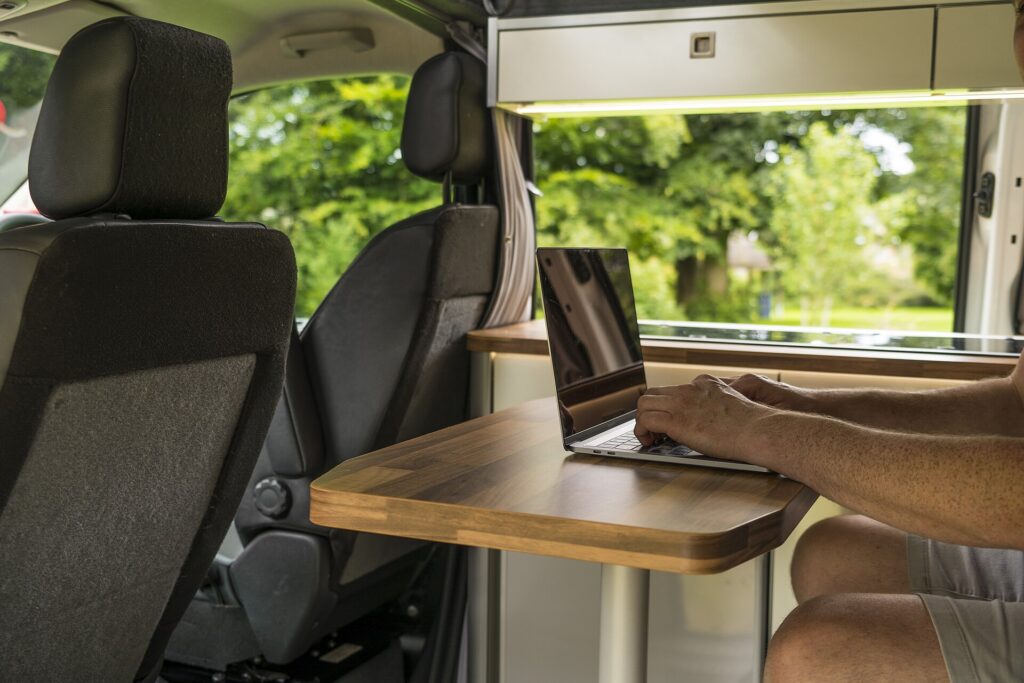
Keep or find a remote job
10.7% of U.S. workers did all of their work from home in September 2026 (BLS) · Internet from $55 a month
The most reliable road income is a job you already have. If your work is done on a laptop, ask your employer about working fully remote before you sell the house, and ask about any rules on working from other states, since payroll taxes follow where you live and work. If you need a new remote job, boards like We Work Remotely and Remote.co are free, and FlexJobs screens listings for a fee. About one in five RV-owning households has a remote worker, and more than half of them have already worked from the RV, according to Go RVing’s 2025 owner survey.
Why it works
- A full salary and benefits wherever you park
- You can move on weekends and stay put on workdays
- No season to chase
Watch out for
- Video calls need strong, steady internet
- Time zones and meetings shape your travel days
- Some employers limit which states you can work from
Best for: Professionals whose work already happens on a laptop.
Flexible hours Builds slowly
Best skill-based side income
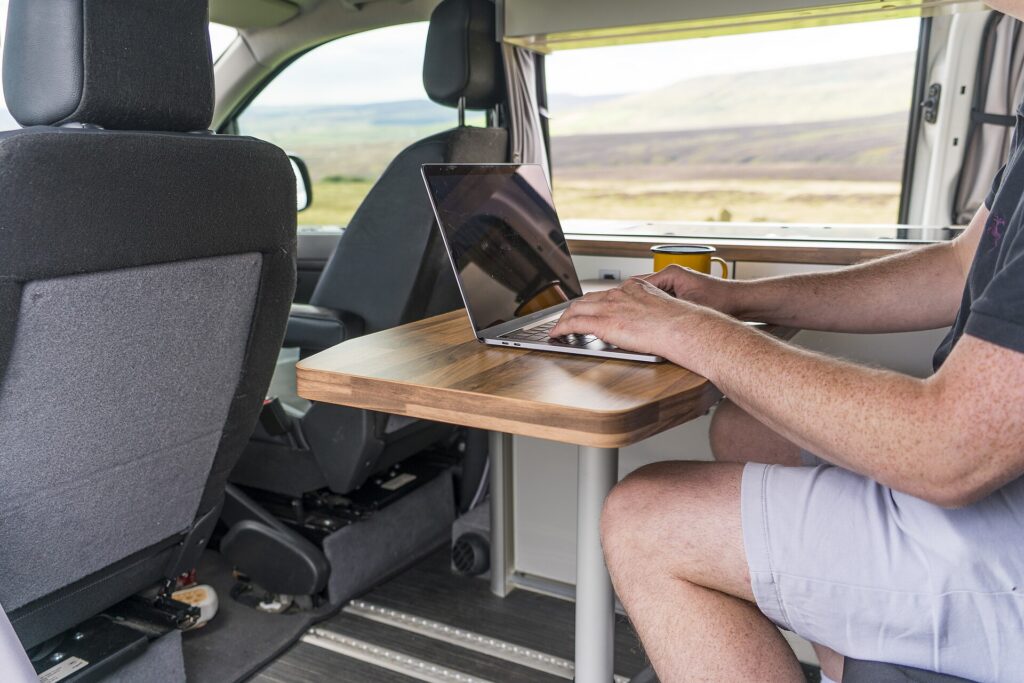
Freelancing: writing, design, bookkeeping and more
Upwork’s fee runs from 0% to 15% per contract · Expect a few months to build steady clients
If you can write, edit, design, keep books, build websites, edit video or handle someone’s inbox as a virtual assistant, you can sell that skill from any campsite with a signal. Marketplaces like Upwork and Fiverr help you find the first clients; Upwork now charges freelancers a fee of 0% to 15% per contract and shows the rate before you accept. The best freelancers move repeat clients off the slow bidding grind and onto direct work as soon as they can. Start before you leave, while you still have home internet and time to build a portfolio.
Why it works
- Work your own hours around travel days
- Uses skills you already have
- Clients do not care where you are
Watch out for
- Income is uneven, especially the first year
- Platforms take a cut and bidding takes time
- You pay self-employment tax on what you earn
Best for: People with a marketable skill and the discipline to work without a boss.
Long game Needs lots of data

Best for creators with patience
YouTube, blogging and affiliate income
YouTube ad revenue starts at 1,000 subscribers plus 4,000 watch hours in 12 months (or 10 million Shorts views)
Plenty of RVers film their travels or write about them, and a few earn a living from ads, sponsors and affiliate links. Most do not, so treat it as a long-term side project. YouTube’s Partner Program opens at 500 subscribers with 3,000 watch hours for fan funding like memberships, and at 1,000 subscribers plus 4,000 watch hours in the past 12 months for a share of ad revenue. A blog takes a year or more to earn meaningful search traffic. Uploading video also eats data fast, so budget for an unlimited internet plan.
Why it works
- Your trip becomes the product
- Income can keep coming from old videos and posts
- Builds a brand you can take anywhere
Watch out for
- Usually a year or more before real income
- Filming and editing take many hours a week
- Big uploads need a lot of internet data
Best for: Natural storytellers who would film the trip anyway.
Your internet is your paycheck
Starlink’s Roam plans cost $55 a month for 100 GB, $80 for 300 GB and $175 for unlimited high-speed data (checked on starlink.com on November 6, 2026), plus the dish. Most working RVers also keep a phone or hotspot plan on a second carrier as a backup, and choose campsites by checking coverage maps and sky view before they book. Our RV apps guide lists the coverage apps we use.
Be your own boss
Start a small business you can tow
Your own business takes more setup, but the skills travel with you and the income does not depend on one employer.
Trade skill Always in demand
Best use of a trade
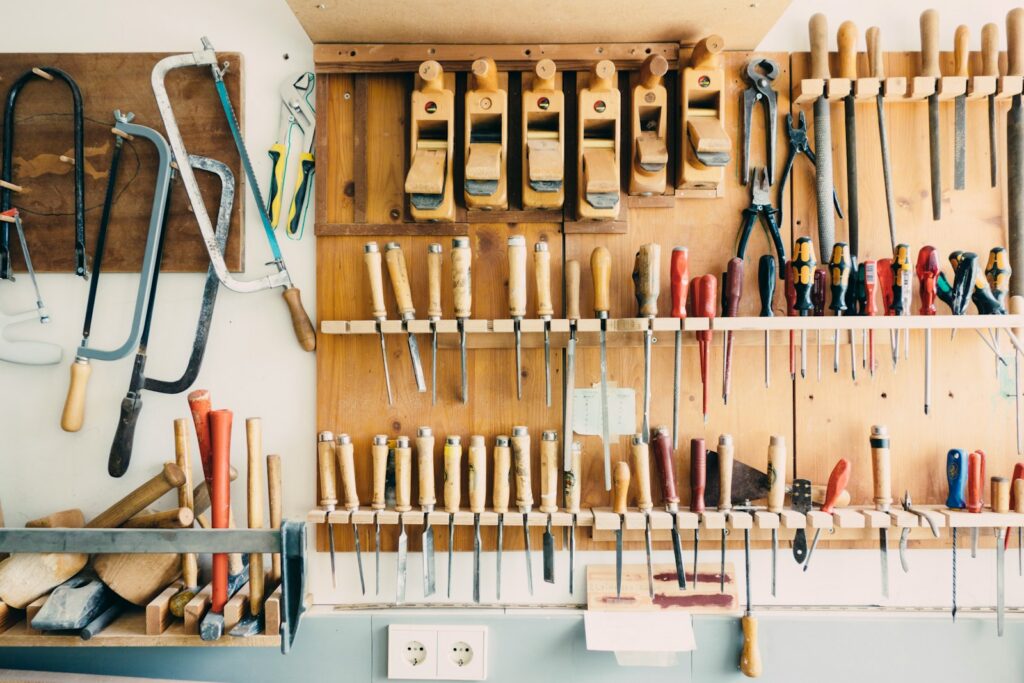
Mobile RV tech, inspector or detailer
RV inspections often run about $150 to $600 · NRVTA’s inspector course takes 3 weeks
RV owners everywhere wait weeks for service, so a mobile technician who comes to the campsite stays busy. The National RV Training Academy in Athens, Texas, runs a 3-week, 128-hour RV inspector course that ends with the National RV Inspectors Association certification exam, and the RV Technical Institute in Elkhart, Indiana, offers Level 1 and Level 2 technician training. Certified inspectors charge buyers for pre-purchase inspections, and in 2023 basic inspections commonly ran about $150 to $600. Washing, waxing and roof care are simpler services you can start with, but ask the park first: many ban outside vendors and washing on site.
Why it works
- Strong demand in every RV-heavy area
- Set your own schedule and rates
- Skills save you money on your own rig
Watch out for
- Training, tools and insurance cost money up front
- Parks may not allow outside work on their property
- Some states require a business license
Best for: Handy people with mechanical skills and a pickup full of tools.
Flexible Online + in person

Best for makers
Sell crafts and products
Etsy fees: $0.20 to list, 6.5% of the sale, plus 3% + $0.25 for payment processing
Jewelry, photography prints, woodwork, soap and leather goods sell well online and at craft fairs, farmers markets and RV rallies. Etsy charges $0.20 to list an item, a 6.5% transaction fee and 3% plus $0.25 for payment processing, so plan on giving up roughly 10% of each sale before ads and shipping. In-person sales are often cheaper to run but may need a temporary sales tax permit in each state where you set up, so check with that state’s revenue department first.
Why it works
- Turns a hobby into income
- Craft fairs double as fun stops on your route
- Online shop sells while you drive
Watch out for
- Limited storage and weight in an RV
- Shipping from the road needs a reliable mail plan
- Sales tax rules change from state to state
Best for: Crafters who already make something people buy.
Short stays Needs a car

Best quick cash near town
Delivery and gig apps with your tow car
Needs a car, scooter or, in some cities, a bike or e-bike · Not your RV
Apps like DoorDash, Instacart and Uber Eats can fill a slow week when you are parked near a town. You cannot deliver in the RV itself, so you need a tow car, a scooter or, in some DoorDash cities, a bike or e-bike. DoorDash asks car and scooter drivers to carry their own auto insurance, and Uber’s ride service needs a four-door car no more than 15 years old that passes inspection. Your car’s registration and insurance usually need to match your domicile state, and some markets have waitlists.
Why it works
- Sign up once and work whenever you like
- Paid out quickly
- Good filler between bigger jobs
Watch out for
- Wear and tear on your tow car
- Earnings vary a lot by town and time of day
- Busy markets can have waitlists
Best for: RVers with a tow car staying a week or more near a town.
Part-timers Passive-ish
Best for part-time RVers
Rent out your RV between trips
Outdoorsy takes a 20% to 25% host fee · Only works when you are not living in the rig
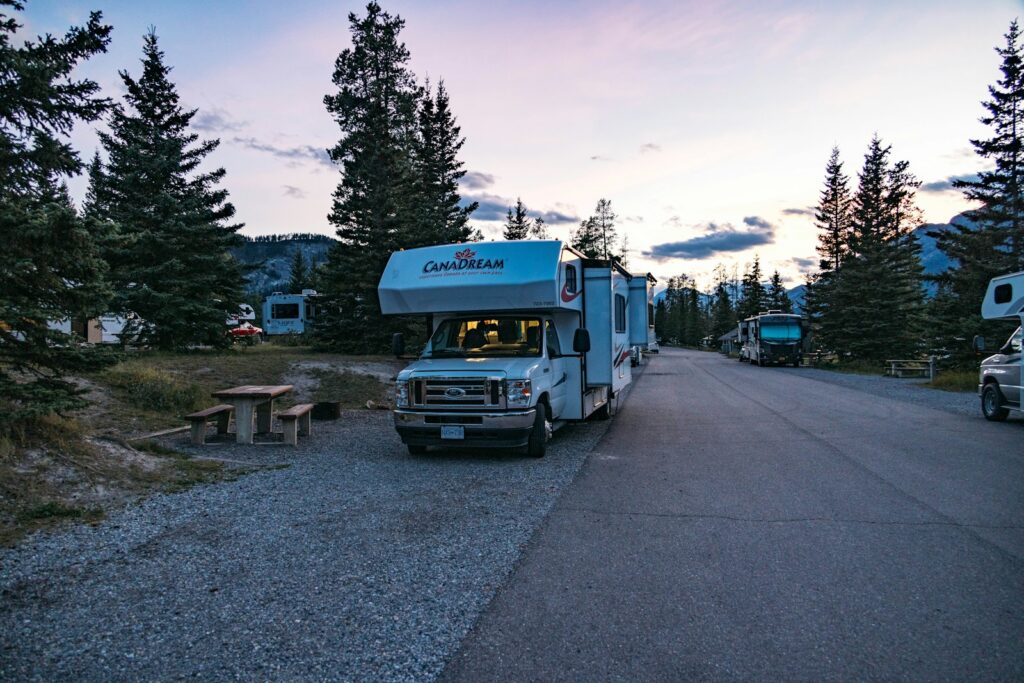
If you travel part of the year, renting the RV through Outdoorsy or RVshare can cover storage, insurance and loan payments while it would otherwise sit. Outdoorsy’s host fee is 20% to 25% of the booking subtotal, starting at 25% and dropping as your rental revenue grows, and the platforms include insurance during rentals. It is not an option for full-timers, of course: you cannot rent out the rig you live in. Expect to spend time on cleaning, check-ins and wear and tear between renters.
Why it works
- Your RV earns money while you are home
- Platforms handle payments and rental insurance
- You choose the dates
Watch out for
- Renters add wear, and repairs come out of your pocket
- Cleaning and handoffs take time
- Not possible while you live in it full time
Best for: Part-time RVers whose rig sits parked for months.
Do the math
Is that “free” campsite a fair trade?
Many workamping ads offer a site in exchange for hours. Slide in the deal you were offered to see what your hours are really worth, and what the whole season adds up to.
Fair trade
$0an hour for your site hours
| Season value | Per week | Season |
|---|---|---|
| Free site | $0 | $0 |
| Wages | $0 | $0 |
| Total | $0 | $0 |
At your benchmark rate, the site is worth about 0 hours of work a week.
Estimates only. Use the nightly price the park charges guests for the same site (a monthly rate divided by 30 works too). Workamper News suggests that about 15 hours a week is a fair trade for a full-hookup site. A free site may count as taxable pay; see taxes and mail.
Side by side
Compare all 12 ways to make money on the road
Typical pay, start-up costs and time commitment, checked November 6, 2026. Pay varies by employer, state and season. On a phone, swipe the table sideways.
| Way to earn | Typical pay | Start-up cost | Commitment | Internet needed? | Best for |
|---|---|---|---|---|---|
| Workamping | Minimum wage to ~$27/hr, often plus a site | $0 (job boards $0–$67/yr) | 3–6 months | No | Couples who like to stay put |
| Campground hosting | Free site (volunteer) or hourly pay (concessionaire) | $0 | 30 days to a season, 24–30 hrs/week | No | Outdoor lovers on a budget |
| National park concessions | $15.70–$16.25/hr (2026 Yellowstone example) + low-cost site | $0 | 5–6 months, full time | No | A summer in a famous park |
| Sugar beet harvest | $21.11/hr (2026 job order) + bonuses | $0 | 2–3 weeks, 12-hour shifts | No | A big paycheck fast |
| Pumpkin & tree lots | $4,000–$6,000 per couple per tree season (recent offers) | $0 | October, or mid-Nov to Dec 23 | No | Snowbirds heading south |
| Remote job | Your salary | Internet: Starlink Roam $55–$175/mo + hardware | Year-round | Yes, essential | Laptop professionals |
| Freelancing | Your own rates, minus platform fees (Upwork 0–15%) | Laptop and internet | Flexible; months to build | Yes | Writers, designers, bookkeepers |
| YouTube & blogging | Irregular; ad revenue from 1,000 subs + 4,000 watch hours | Camera, editing, lots of data | A year or more to build | Yes, heavy uploads | Patient storytellers |
| Mobile RV tech or inspector | Inspections often ~$150–$600 (2023) | Training, tools and insurance | Year-round, by appointment | Phone only | Handy, mechanical people |
| Crafts & products | Varies; Etsy keeps ~10% + $0.45 per sale | Materials and booth fees | Flexible | For online sales | Makers |
| Delivery & gig apps | Varies by town and hour | A tow car, scooter or e-bike | Flexible | Phone only | Week-long stays near towns |
| Renting out your RV | Booking total minus a 20–25% host fee (Outdoorsy) | Cleaning, wear and tear | When you are not using it | Phone only | Part-time RVers |
Before you rely on it
Six steps before you count on road income
Most RVers who run out of money on the road skipped one of these. Do them before you leave, not after.

1
Know your monthly number
Add up campsites, fuel, food, insurance, phone and internet, health care and a repair fund. That is the income you need to replace. Our save-money guide has a trip budget calculator to help.
2
Keep a cash cushion
Seasonal jobs end, clients pay late and rigs break down. Leave home with savings to cover at least a few months of expenses so one bad month does not end the trip.
3
Get your internet sorted
If any of your income needs a laptop, test your setup before you rely on it. Starlink Roam starts at $55 a month; a second carrier’s hotspot is the usual backup.
4
Set up a domicile and mail
Pick a home state for taxes, voting, your license and vehicle registration, and sign up for a mail forwarding service before you sell the house. See taxes and mail below.
5
Line up the first job before you go
National parks hire for summer during the winter, the beet harvest fills up over the summer, and holiday lots sign crews months ahead. Our workamping guide maps a full year.
6
Track every dollar and save for taxes
Log income and expenses as you go and set aside part of each self-employed payment for taxes. If you expect to owe $1,000 or more, the IRS expects quarterly estimated payments.
Protect what you earn
Taxes, domicile and mail: the boring stuff that matters
Road income is still income. Getting these four things right keeps more of it in your pocket and keeps you out of trouble.
Self-employment tax
Freelancers, creators and anyone running a business pay 15.3% self-employment tax (Social Security plus Medicare) on net earnings of $400 or more, on top of income tax.
Pay as you go: 2026 estimated payments are due Apr 15, Jun 15, Sep 15 and Jan 15, 2027.
Is a free site taxable?
The IRS lets an employer leave lodging out of your wages only if it is on the business premises, for the employer’s convenience and a condition of the job. If you could take cash instead, the site counts as pay.
Ask before you sign: whether the site is reported on your W-2.
Pick a domicile state
Nine states have no income tax on wages: Alaska, Florida, Nevada, New Hampshire, South Dakota, Tennessee, Texas, Washington and Wyoming. South Dakota, Texas and Florida are the most popular with full-time RVers.
Keep in mind: you can still owe tax to a state where you work a job on site.
Get a mail service
A mail forwarding service gives you a street address in your domicile state and sends your mail wherever you are. Escapees (Texas) requires a $49.95 yearly membership plus a mail plan; Americas Mailbox (South Dakota) starts at $169.99 a year plus $25 setup.
Needed for: banking, your license, vehicle registration and voting.
This is not tax advice
Tax rules depend on your state, your income and how you are paid. Before your first season of road income, talk to a tax professional who works with full-time RVers, and keep records of every pay stub, 1099 and business expense.
Keep exploring
More guides for life on the road
Spend less, find work and get more from every campsite.
Workamper: The Essential Guide to Workamping
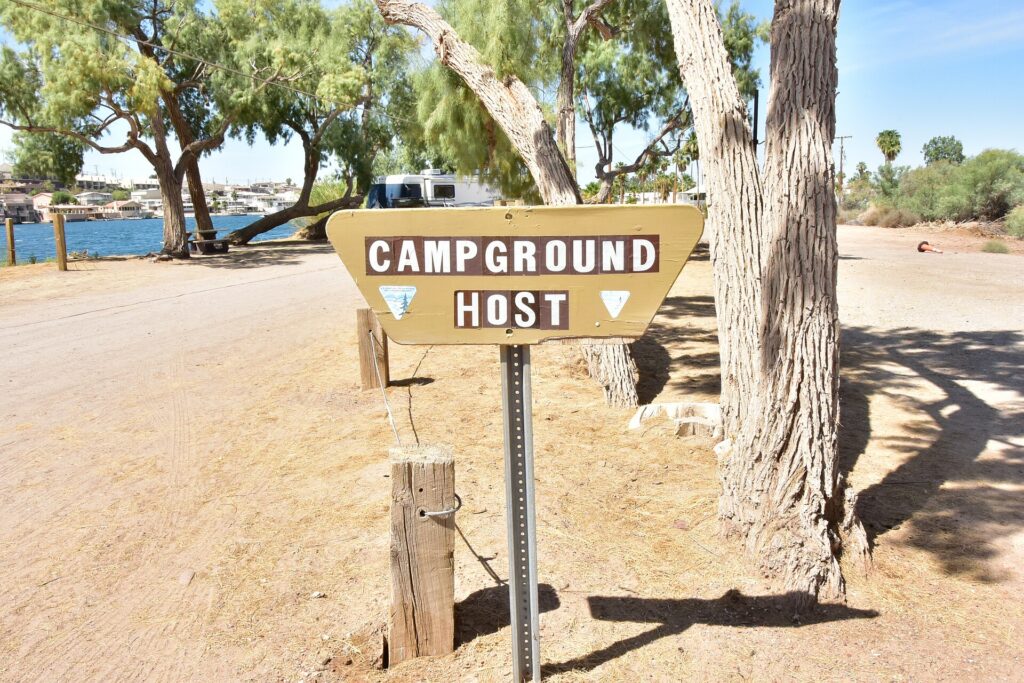
Eight kinds of workamping jobs, what they pay, where to find them and how to get hired.
Read the guide: Workamper: The Essential Guide to Workamping
Best Ways to Save Money on Your Next RV Road Trip
Thirty ways to spend less on fuel, campsites and food, with a trip budget calculator.
Read the guide: Best Ways to Save Money on Your Next RV Road Trip
Best RV Campground Memberships: Compare Costs & Benefits
13 memberships compared on price, network and fine print, with a savings calculator.
Read the guide: Best RV Campground Memberships: Compare Costs & Benefits
Helpful answers
Making money on the road: your questions, answered
What RVers ask us most about working and earning while they travel.
Start here
Try workamping first
It is the easiest way to test road income: no experience needed, a site included and jobs in every state. Our full guide shows how to land the first one.
Thank you to the people behind these photos. All photos are from Wikimedia Commons (opens in a new tab) unless noted. Hero, remote work and freelancing photos by CruiseAmerica (CC BY-SA 4.0 (opens in a new tab)); campground host site by Joshua Tree National Park and the Bridge Bay store by Yellowstone National Park (public domain); park host sign by Rick Obst, sugar beet pile by DXR and the Christmas tree lot by Michael Rivera (CC BY-SA 4.0); vlogging camera by Henry Söderlund, craft fair by Clotee Allochuku-Albritton and the delivery driver by Meanwell Packaging (CC BY 2.0 (opens in a new tab)); laptop photo by Alejandro Escamilla (CC0). The workshop photo by Barn Images and the motorhome photo by Rafael Peier are from Unsplash.
How we made this guide
We checked every number on this page on November 6, 2026: workamping pay and membership prices from Workamper News (opens in a new tab), wages from the Bureau of Labor Statistics (opens in a new tab) (May 2025) and remote-work figures from its September 2026 survey (opens in a new tab), host rules from Washington State Parks (opens in a new tab) and the Michigan DNR (opens in a new tab), the sugar beet rate from a U.S. Department of Labor job order (opens in a new tab), the Yellowstone example from CoolWorks (opens in a new tab), internet prices from Starlink (opens in a new tab), tax rules from the IRS (Publication 334 (opens in a new tab), Publication 15-B (opens in a new tab) and Form 1040-ES (opens in a new tab)), CamperForce’s end from CamperReport (opens in a new tab), and fees from each company’s own website. RV inspection prices come from InspectionSupport (opens in a new tab) (2023) and holiday-lot offers from Workamper News (opens in a new tab) (2024).
There are no affiliate links on this page, and no employer or company paid to be included. Pay, fees and rules change often, so confirm the details with the employer or agency before you commit to a job. RV-Roundup is not responsible for errors, omissions or changes made after publication. This guide is general information, not tax, legal or financial advice.